How to Read a Chennai Furniture Shop is a skill that interior designers develop through years of experience. Interior designers do not shop for furniture the way most people do. When they walk into one of the best furniture shops in Chennai, they are not browsing. They are reading. Every detail of the showroom, the product selection, the staff behaviour, the pricing structure, the delivery terms, is information. By the time they leave, they know whether this shop is worth recommending to a client.
That reading skill is not mysterious. It is a set of trained observations applied consistently. And it is entirely learnable. Here is the framework interior designers use, translated for a Chennai buyer who wants to make better decisions without hiring a professional to make them for them.
They Look at the Range, Not Just the Product
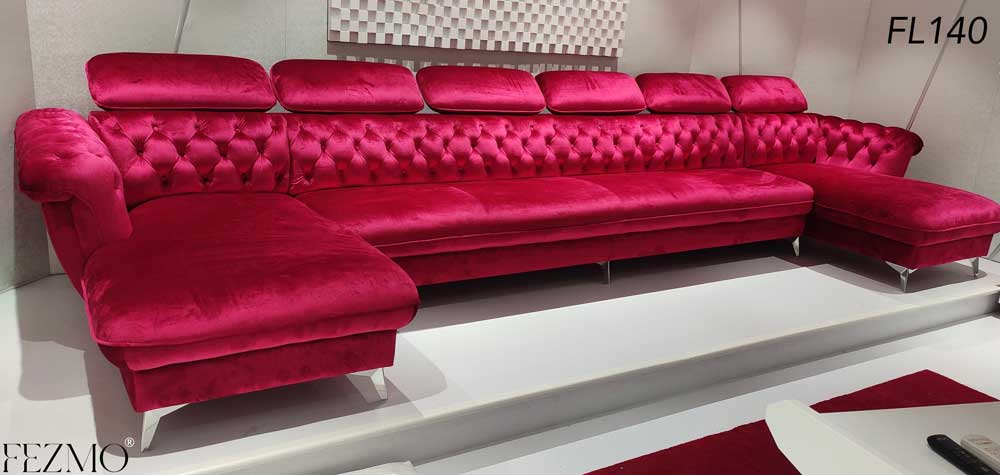
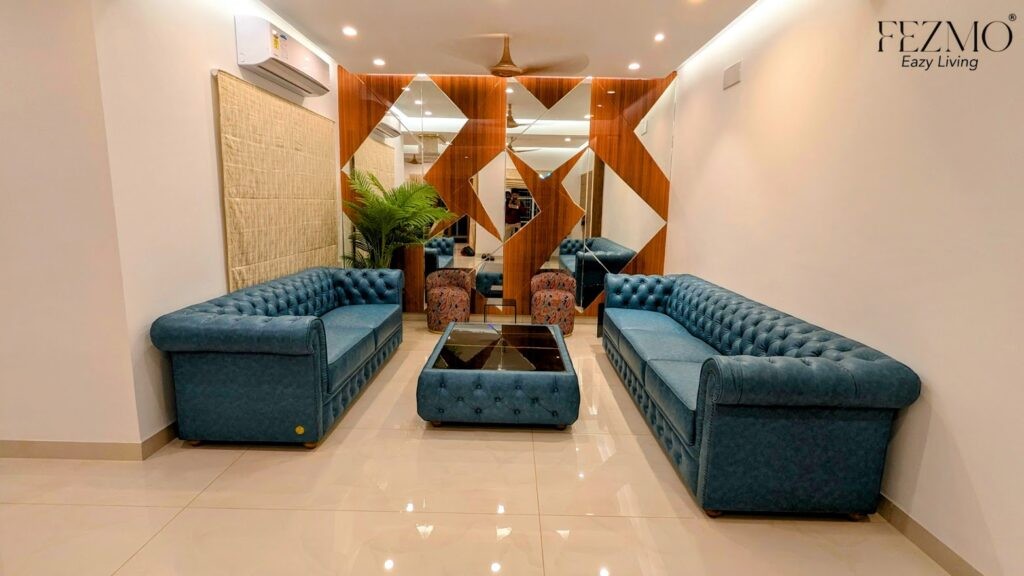
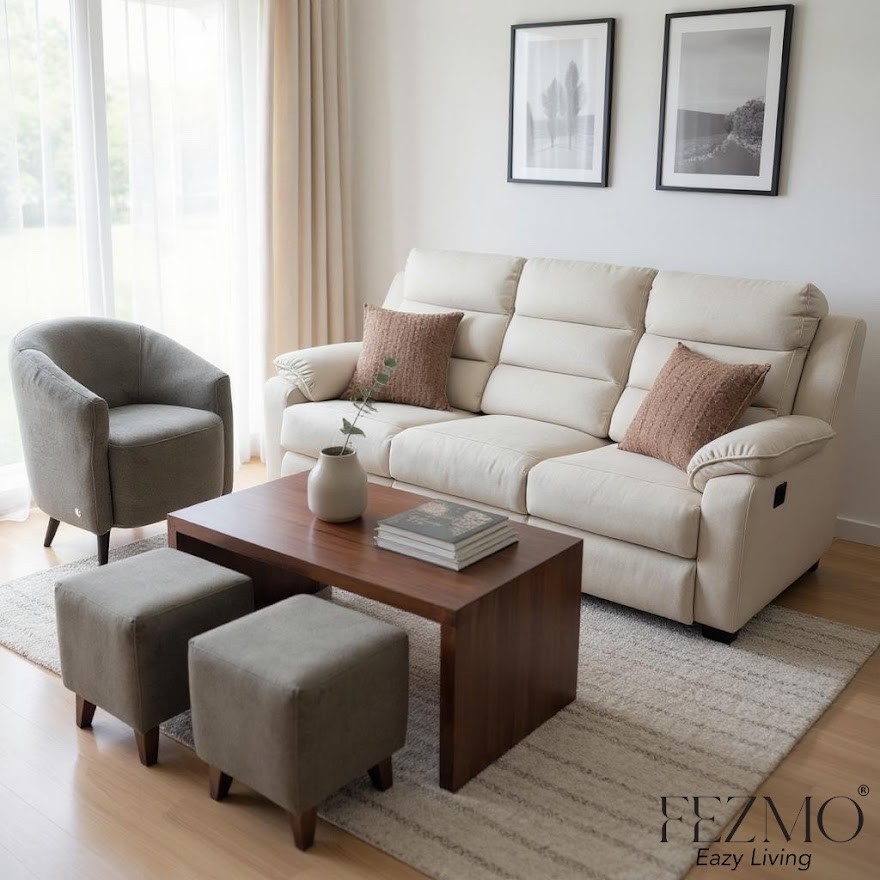
The first thing a designer notices in a furniture shop is not the most attractive piece in the display. It is the range. What is the breadth of options in a single category? Are there multiple configurations of the same sofa, in different sizes, fabrics, and leg finishes? Or is there one configuration per product, leaving buyers with a take-it-or-leave-it choice?
What limited range reveals
A narrow range within a category usually means the shop is buying finished stock from a limited number of suppliers and reselling it without customisation capability. This is not inherently wrong, but it means your room has to adapt to their product rather than the other way around. For Chennai apartments, where room dimensions vary significantly between Velachery flats, Anna Nagar independent houses, and OMR high-rises, this matters.
What depth of range reveals
A shop that carries the same sofa in four widths, six fabric options, and three leg finishes has manufacturing access or a supplier relationship that allows customisation. This is a significant advantage for buyers who need furniture to fit specific dimensions or match an existing interior scheme.
What to look for
- At least two or three size options for major pieces like sofas and dining tables.
- Fabric and finish swatches available beyond what is on the floor.
- A catalogue or lookbook showing pieces not currently in the showroom.
- Staff who can discuss lead times for non-floor configurations.
They Test the Pieces the Way Buyers Never Do
Designers physically test every piece they are considering for a client. They sit on sofas for several minutes, not a few seconds. They open every drawer and close it. They press cushions and release them. They shake dining tables slightly to feel for wobble. They lift a corner of a chair to feel the frame weight.
Why this matters more in Chennai
Chennai’s climate puts real stress on furniture over time. Temperature variation between December and May is significant. Humidity during the northeast monsoon season puts pressure on wood joints and fabric. A piece that is well-constructed for these conditions behaves differently under testing than one that is not. A solid teak frame feels different from plantation wood. Dense foam behaves differently from standard foam when pressed.
The tests designers run
TestHow to Do ItWhat You Are CheckingSeat resiliencePress firmly into the sofa seat and releaseFoam bounce-back. Should return fully within 2 seconds.Frame rigidityLift one corner of a sofa or chair slightlyA rigid frame does not flex. A weak one does.Drawer smoothnessOpen and close each drawer fullyEven glide, no catch. Wobble signals poor joinery.Table stabilityPlace both hands on the table surface and apply light pressureNo wobble or creak. Movement signals loose joints.Finish qualityRun a fingernail lightly across an edgeNo chipping or lifting on a quality finish.Fabric feelRub the fabric in both directionsEven texture, no pilling. Looser weaves wear faster.
They Ask About Pricing Structure, Not Just Price
When a designer is evaluating the top 10 furniture shops in Chennai for a client project, they do not just ask what a piece costs. They ask how the pricing is structured. Is the listed price fixed? Is there a different rate for bulk or project purchases? What does customisation add to the base price? What is included in the delivery charge?
Why pricing structure matters
The listed price in a showroom is rarely the full picture. Delivery, installation, customisation, and after-sales service all carry costs that either appear on the invoice or get absorbed by the shop. A shop that offers a low listed price but charges separately for delivery, installation, and basic modifications may end up more expensive than one whose listed price includes those services.
Questions to ask about pricing
- Is delivery and installation included, or charged separately?
- Is there a project rate if I am buying furniture for multiple rooms?
- What does customisation of dimensions or fabric add to the listed price?
- Are there any upcoming price changes I should know about before I decide?
- What is your refund or exchange policy if the delivered piece does not match what was shown?
The shop that answers these questions specifically and without defensiveness is one that has a clear and fair pricing structure. The one that becomes vague or evasive is the one where unexpected charges tend to appear later.
They Notice What Is Not on the Floor
An experienced designer pays as much attention to what is absent from a showroom as what is present. A furniture shop that only stocks one type of wood, or only one price tier, or only one style of upholstery, has made choices that reveal its actual market position, whatever its marketing says.
What gaps in the range tell you
- No mid-range options alongside premium pieces usually means the shop is not set up to serve buyers with moderate budgets, regardless of what the salesperson tells you.
- No solid wood options in a showroom that claims to offer quality furniture is worth questioning. Solid wood is a material benchmark. Its absence is informative.
- No customisation capability in a showroom serving Chennai buyers with varied apartment sizes is a practical limitation worth factoring into your decision.
- No after-sales contact process, no service number, no written warranty procedure on display, is a gap that matters when something goes wrong.
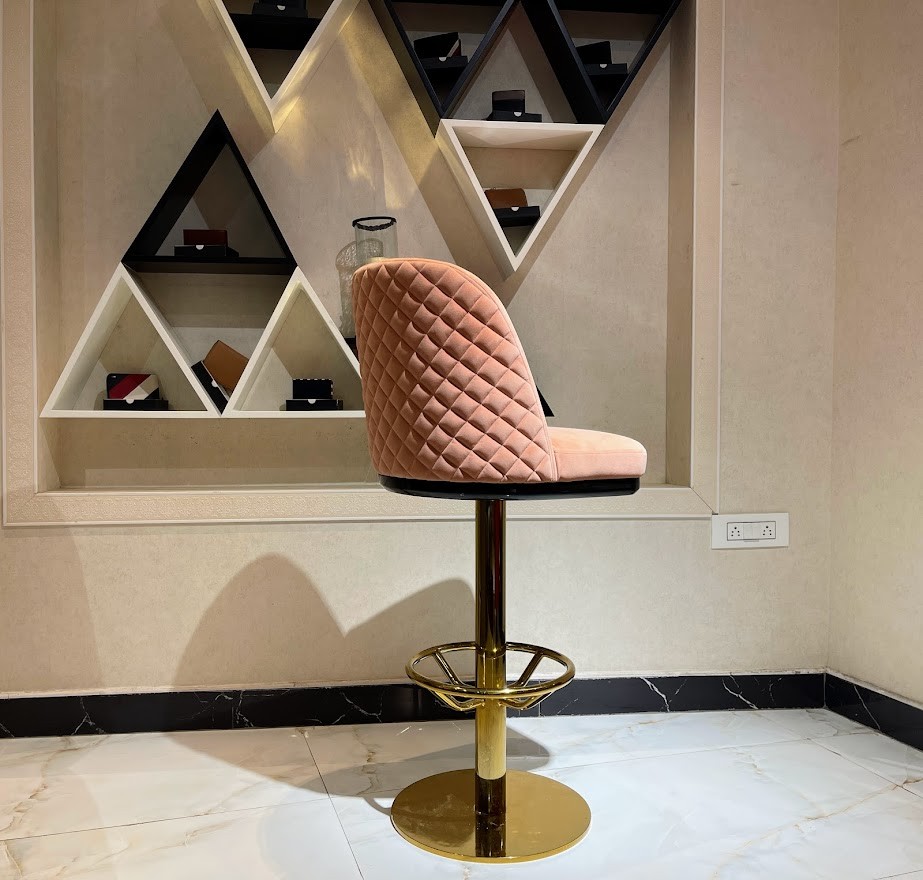
What abundance in the range tells you
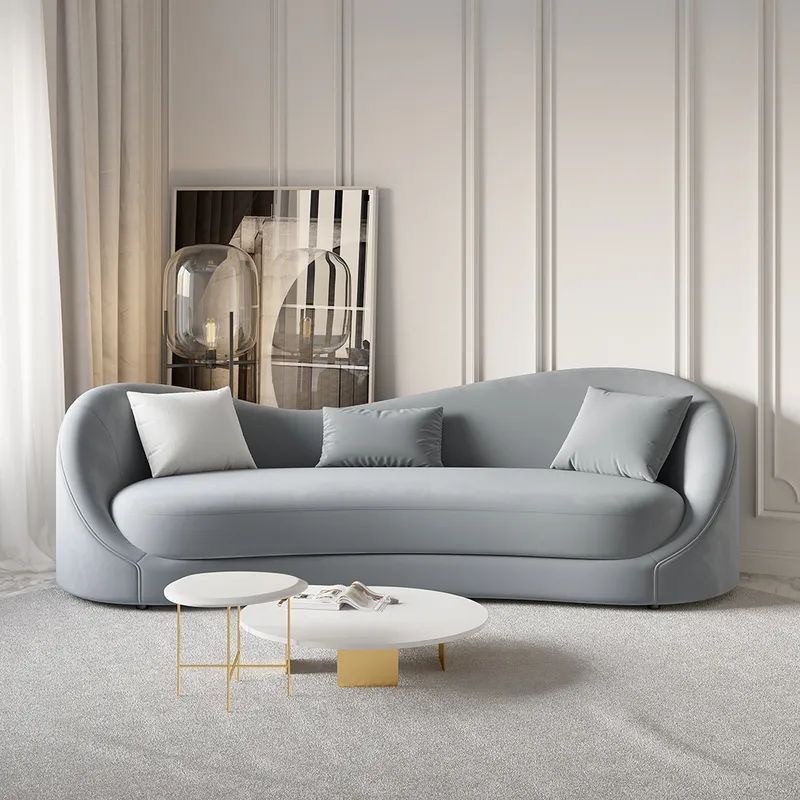
A showroom that has clearly curated its range, that has thought about what Chennai buyers actually need and stocked accordingly, shows its intentions in the product mix itself. Range curation takes effort. It requires real knowledge of the customer. Shops that do it well are usually good at the rest of the job too.
They Evaluate the Relationship, Not Just the Transaction
The final and most important thing a designer evaluates in a furniture shop is whether this is a place they want to bring clients back to. Not once, but repeatedly. That relationship calculus is the same one every buyer should be making, even for a single purchase.
A furniture piece is not a one-time transaction. It requires delivery coordination, installation, occasional after-sales support, and sometimes returns or repairs. The shop you buy from is a partner in that process for the life of the piece. Choosing a shop based on the product alone, without evaluating the relationship, is optimising for the wrong variable.
How to assess relationship potential in a single visit
- Does the salesperson remember what you said at the start of the conversation by the end of it?
- Do they follow up on things they said they would check, or do they let those drop?
- Do they give you space to think without filling every silence with a pitch?
- Do they treat your budget as a constraint to work within rather than an obstacle to overcome?
These signals are consistent across the best furniture shops in Chennai. They are also consistent within a single visit if you know what to look for. If you want to experience this kind of conversation before you commit to any purchase, our team in Anna Nagar is available to walk through your requirements without any pressure or obligation.
Frequently Asked Questions
Do interior designers always buy from the same furniture shops in Chennai?
Experienced designers develop a shortlist of trusted shops over time, but they continue to evaluate new options for specific client requirements. The shortlist expands when a new shop demonstrates the qualities that earned other shops their place on it: product knowledge, delivery reliability, and honest after-sales support.
Is it worth hiring an interior designer just for furniture selection?
For a full home furnishing project, yes. A designer brings supplier relationships, space planning expertise, and a trained eye for what works together. For a single room or a few key pieces, the framework in this article gives you most of what you need to evaluate shops and products independently.
How many furniture shops should I visit before deciding?
Three to five is the practical range for most buyers. Fewer and you lack comparative data. More and the options blend together in memory. Apply the same evaluation framework to each visit and your decision becomes clearer after each one rather than more complicated.
What is the single most important thing an interior designer checks in a furniture shop?
Staff product knowledge. A salesperson who can specify materials, dimensions, foam density, and warranty terms without hesitation is working in a shop that trains its team properly. That training level predicts everything else about how the shop operates.
Are furniture shops in Anna Nagar generally considered reliable in Chennai?
Anna Nagar has a concentration of established furniture retailers that have served the area for years. Longevity in a competitive market is a meaningful signal. Shops that have been operating in Anna Nagar for five or more years have a track record that can be checked through reviews, references, and the buyer community in the area.
About the Author
This article was written by the team at Fezmo Furniture, Anna Nagar, Chennai. We have been on the receiving end of designer evaluations and buyer scrutiny for years. The observations in this piece come directly from those experiences, and from the questions that serious buyers ask when they are doing their homework properly. We welcome both kinds of visitors.