Furnishing vs Designing a Home is a distinction that many homeowners only understand after they have lived with their furniture for a few years. There are two ways to approach furniture for a new home. The first is to fill the space: buy a sofa for the living room, a bed for the bedroom, a table for the dining area, and call it done. The space is furnished. The second is to think about how the space should feel to live in and then choose furniture that produces that feeling consistently across every room.
Most people start with the first approach and gradually discover the second. Buyers who visit the best furniture stores in Chennai with a design intention rather than a shopping list make fewer purchases over time, spend more confidently on each one, and end up with homes that feel considered rather than accumulated.
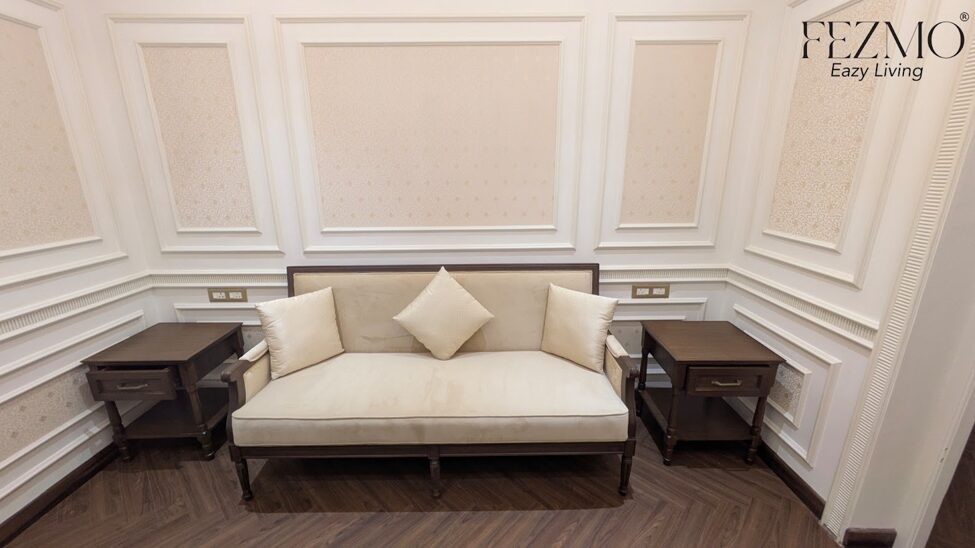
What Furnishing Looks Like Versus What Designing Looks Like
Furnishing is category driven. You need a sofa, so you find a sofa you like at a price you can accept. You need a dining table, so you find one that fits and place it. Each decision is made in isolation, informed primarily by the individual piece and its price. The room comes together because all the categories are filled.
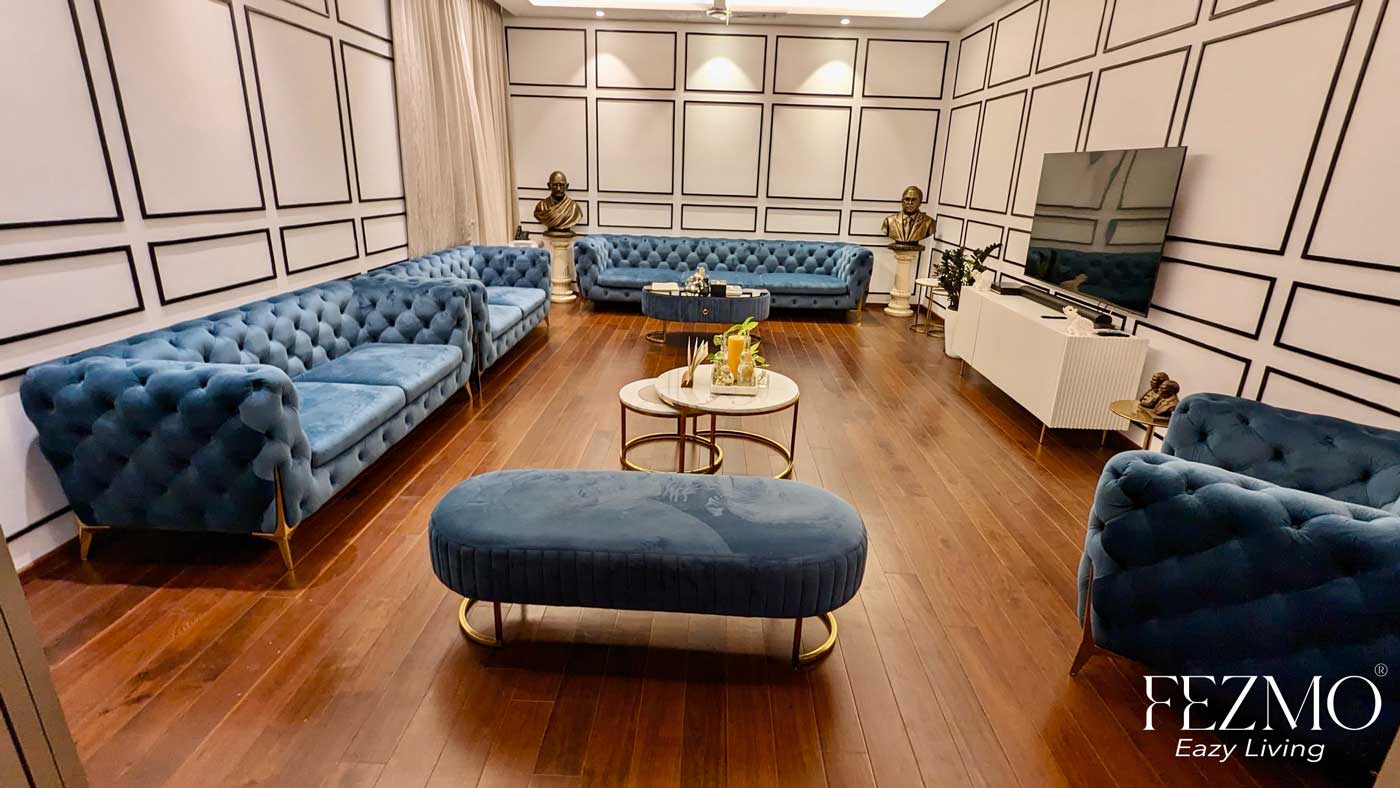
Designing is system driven. Before any individual piece is selected, there is a picture of how the finished room should read. What emotional register should the living room have? Is it a space for active family life or for calm, adult conversation? What relationship should the furniture have with the flooring, the wall colour, the natural light? Every individual piece is then selected against those answers rather than in isolation.
The practical difference this makes
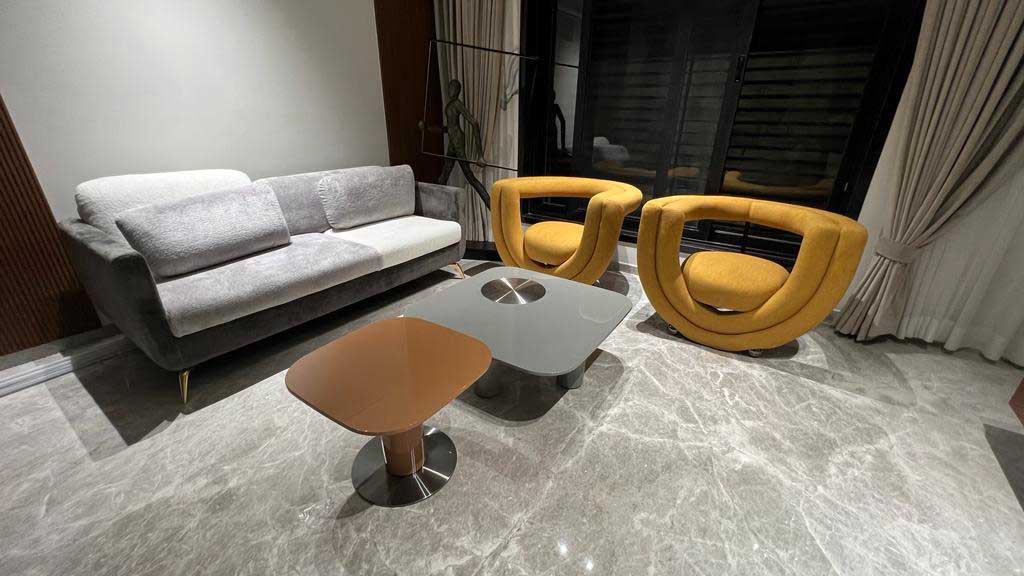
- Designed rooms require fewer pieces because each piece is doing more work. A well-chosen sofa in the right scale and fabric can anchor an entire living room without supporting furniture.
- Furnished rooms often require more purchases over time because pieces chosen in isolation reveal incompatibilities only after they are in the space together.
- Designed rooms tend to feel calm and intentional because the choices are consistent. Furnished rooms often feel busy because multiple decision-making frames are visible simultaneously.
- The investment in a designed room is front-loaded. The research and decision-making happen before purchase. In a furnished room, that work happens after purchase, through a series of corrections.
How Serious Chennai Buyers Approach the Living Room
The living room is where the design-versus-furnishing distinction is most visible and most consequential. In Chennai homes, the living room is typically the first space encountered on entry and the primary space for receiving guests. What it communicates matters.
Buyers who approach the living room as a design problem begin by identifying the anchor piece, which is almost always the sofa, and determining its role before selecting it. Does the sofa define the seating zone in an open-plan space? Does it need to face a specific architectural feature? Is it positioned to allow comfortable cross-conversation without requiring raised voices across the room?
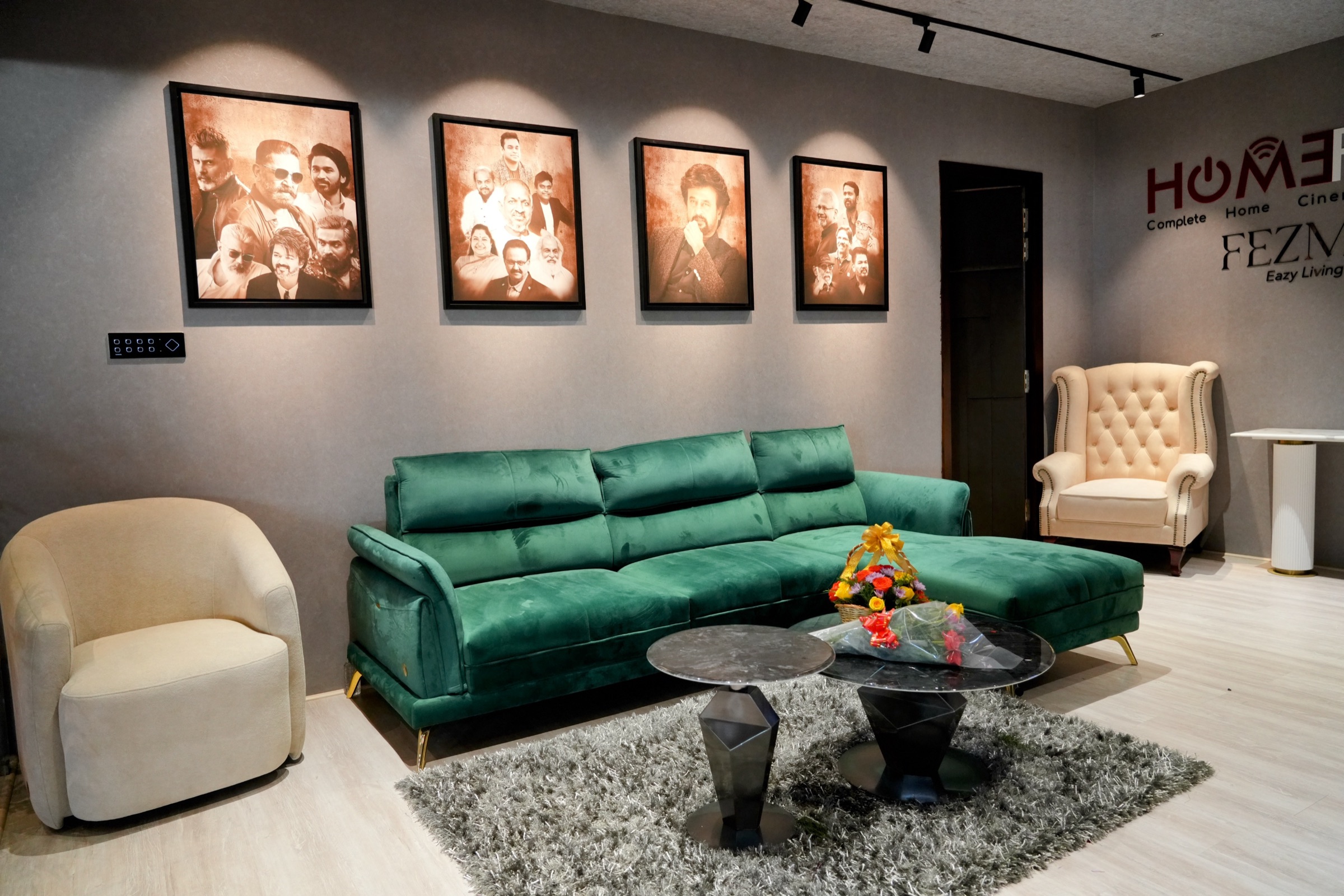
From a reputable furniture showroom in Anna Nagar or elsewhere in Chennai, the range of sofa configurations available to a buyer who knows what they are solving for is significantly more useful than the same range browsed without a spatial brief.
The living room design questions to answer before visiting a showroom
- What is the primary activity in this room: daily family relaxation, formal receiving, media viewing, or a combination?
- Where is the natural focal point of the room: a window, a TV wall, a fireplace, or an architectural feature?
- What is the floor material, and what furniture tones will work with it rather than compete with it?
- How much clearance is needed between the sofa and the coffee table for comfortable daily movement?
- What ceiling height requires consideration for any vertical furniture elements like bookshelves or media units?
The Bedroom as a System, not a Category List
The bedroom is the space where the furnishing approach is most likely to produce regret. Buyers who furnish a bedroom category by category, bed first, then wardrobe, then dressing table, often end up with pieces that are individually acceptable but collectively incoherent. Different finish tones, inconsistent proportions, and competing visual weights produce a room that feels busy rather than restful.
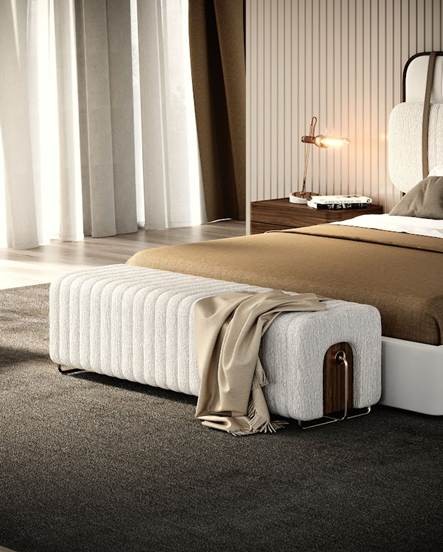
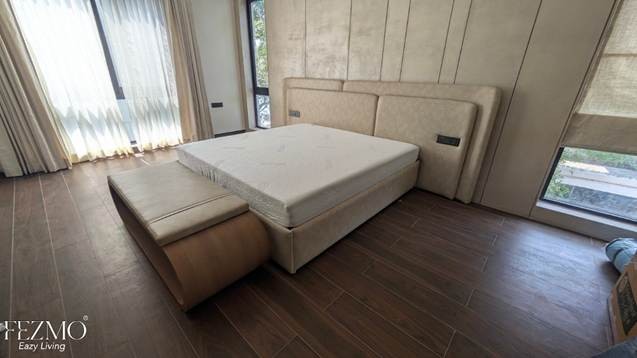
Designing a bedroom begins with a decision about the dominant finish and tone: warm wood, cool grey, deep jewel tones, or neutral white. Every subsequent piece is then filtered through that decision. A bedroom designed this way has the calm consistency of a space where every element was chosen with the same intention.
ApproachOutcome in the BedroomFurnishing (category by category)Individually reasonable pieces, collective incoherence. Finishes conflict. Scale inconsistent.Designing (system first)Cohesive result. Calm, restful quality. Pieces feel chosen for each other.Furnishing with a designer briefBetter than pure furnishing. Still risks individual-piece focus without full-room vision.Designing with premium custom piecesStrongest outcome. Dimension control and material consistency produce a unified room.
Why Chennai’s Architecture Rewards the Design Approach
Chennai’s residential architecture has a wider range of spatial characters than most Indian cities. Older homes in Alwarpet, Mylapore, and Adyar have high ceilings, generous room dimensions, and architectural details that furniture must respect and respond to. Newer apartments in OMR, Sholinganallur, and Perungudi have more compact proportions that require disciplined furniture scale to avoid feeling crowded. Villas on ECR and in Korattur have outdoor relationships that extend the design conversation beyond the interior.
Each of these spatial characters rewards a design approach rather than a furnishing approach. Furniture chosen for the specific spatial character of a Mylapore bungalow behaves differently from furniture chosen for a Perungudi apartment. Both buyers may be looking at the same sofa in the same showroom. The one who has thought about the spatial context will make a different and better decision.
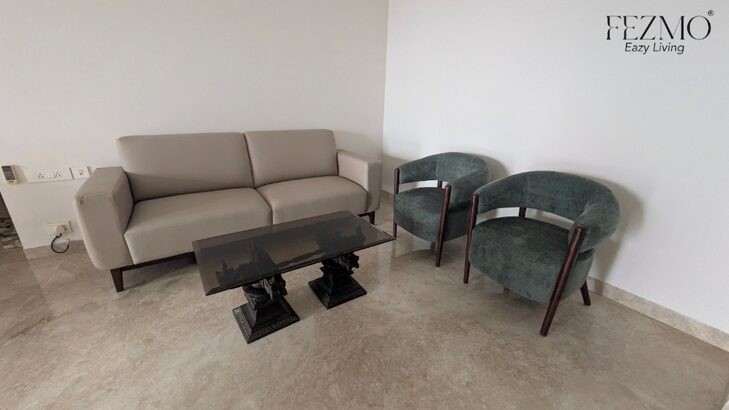
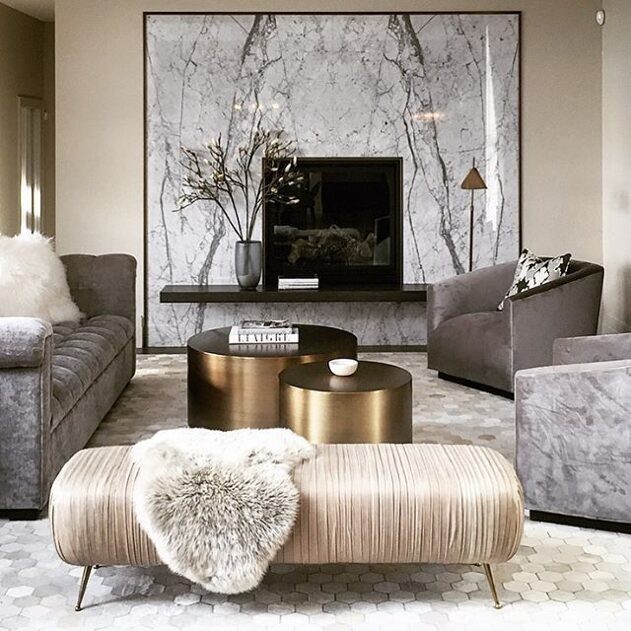
Starting the Shift: How to Think Before You Shop
The transition from furnishing to designing does not require an interior designer or a large budget. It requires asking a different first question. Instead of “What sofa do I need?”, the question is “What do I want my living room to feel like, and what kind of sofa produces that feeling in a room of these dimensions with this light?”
That question takes five minutes to answer thoughtfully and changes every subsequent decision. It turns the showroom visit from a search into a verification exercise. You are not looking for something you like. You are checking whether what you like also satisfies the brief you set before you arrived.
If you want to talk through a design brief for your space before visiting any showroom, our team is available for that conversation. It is the most useful conversation to have before you spend anything, regardless of where you eventually buy.
Frequently Asked Questions
Do I need to hire an interior designer to take a design approach to my home?
No. The design approach described here is a thinking framework, not a professional service. It requires asking spatial and experiential questions before selecting individual pieces. Some buyers find it useful to engage a designer for this conversation. Others do the thinking independently and arrive at a showroom with a clear brief. Both produce better outcomes than shopping by category alone.
How does the design approach affect how I shortlist furniture stores in Chennai?
It changes what you are evaluating. With a clear design brief, you are looking for showrooms that can engage with it: shops where staff understand spatial relationships, where the range includes the specific scale and material options your brief requires, and where customisation is available to close any gap between what is on the floor and what your room needs.
Is it possible to apply a design approach to a partially furnished home?
Yes. The starting point is an audit of what you are keeping and a decision about whether those pieces define the design direction or whether they are flexible. Once you know which pieces are anchors and which are replaceable, you can build a design brief around the anchors and select new pieces to strengthen and extend that direction.
Does the design approach mean spending more money on furniture?
Not necessarily. It often means spending the same amount on fewer, better-chosen pieces rather than a larger number of individually cheaper pieces that require correction over time. The total cost of a designed room is frequently similar to or lower than the total cost of a furnished room that goes through multiple rounds of replacement and adjustment.
About the Author
Written by the Fezmo Furniture team, Anna Nagar, Chennai. We spend most of our time in conversations that start as furniture shopping and become spatial thinking. It is our favourite kind of conversation, because it ends with rooms that genuinely satisfy the people living in them. We are always happy to start one.