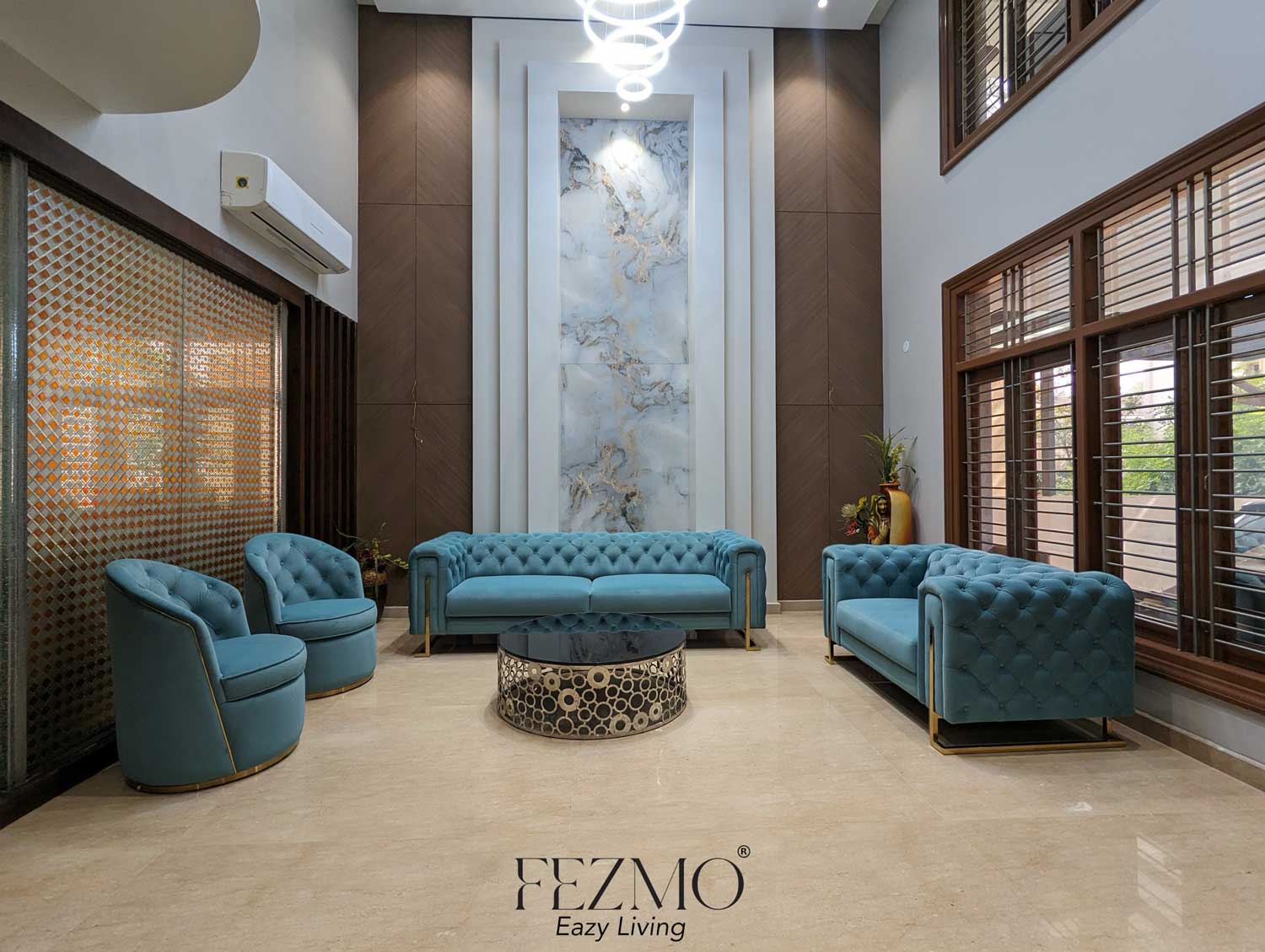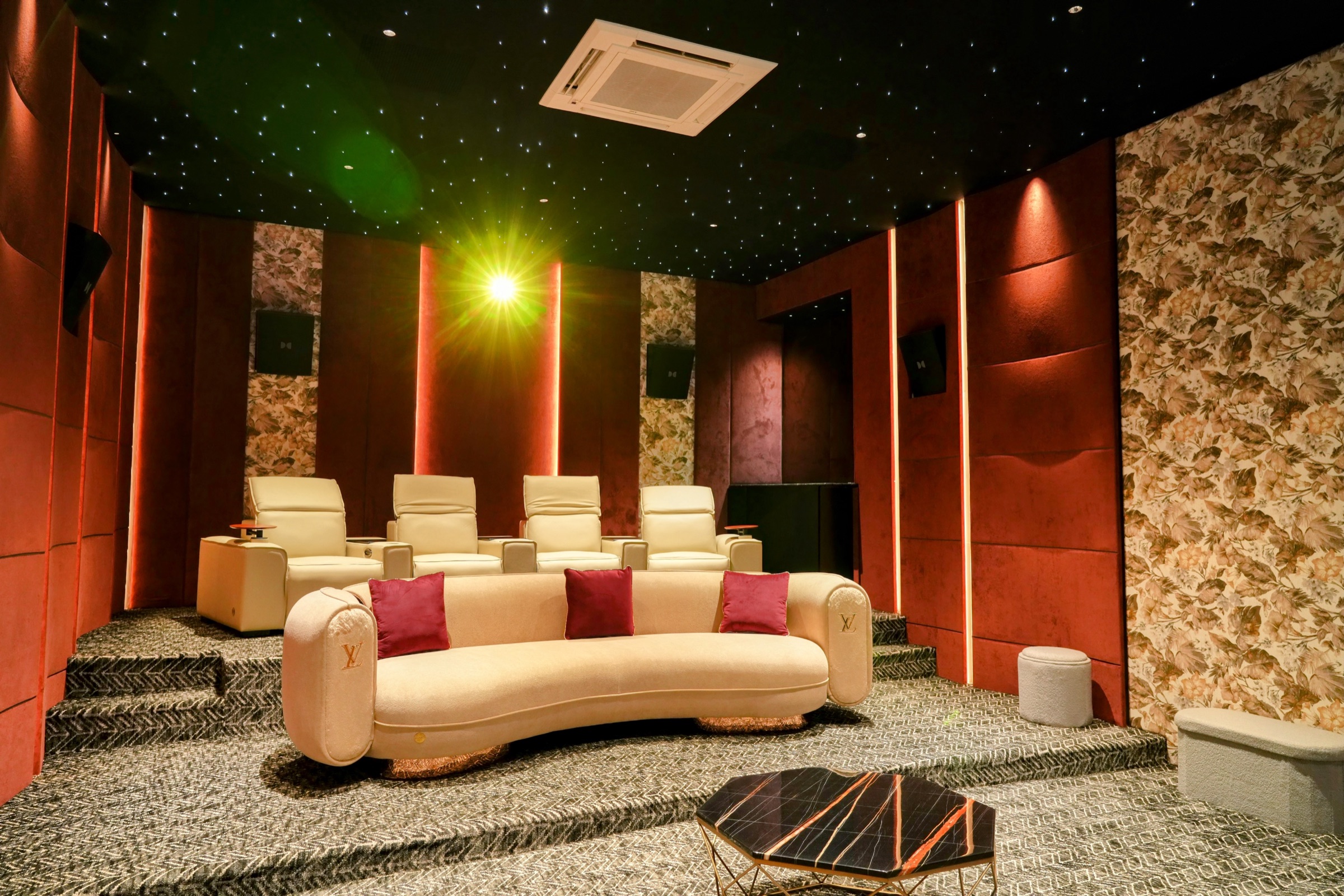
Furniture Showroom Experience in Chennai plays a much bigger role in your buying journey than most homeowners realise. Most Chennai homeowners treat a furniture showroom visit as a means to an end. You walk in, find something you like, confirm the price, and arrange delivery. The showroom is simply where the transaction begins. But buyers who have made several furniture purchases over time understand something different: the experience inside a furniture showroom in Chennai is not separate from the product you are buying. It is a preview of the entire ownership relationship.
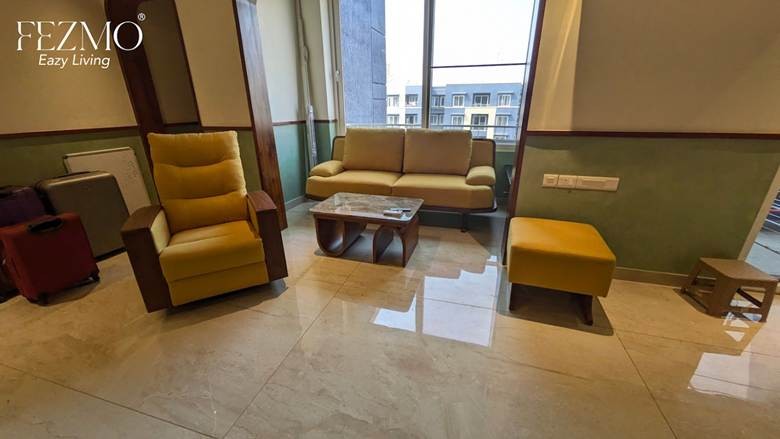
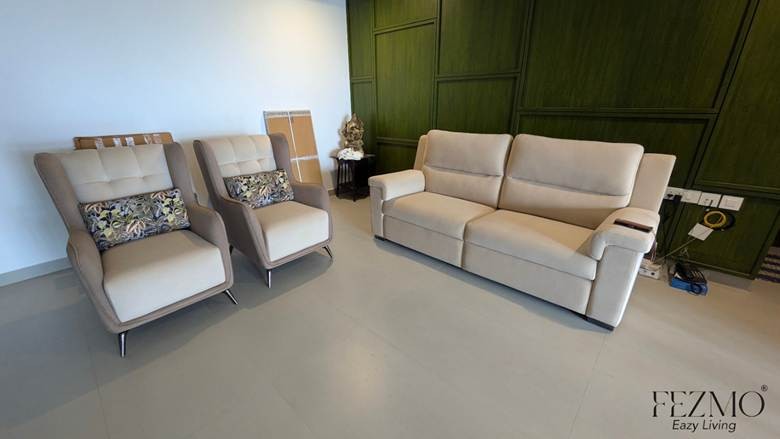
How a showroom treats your time, your questions, and your uncertainty before you spend a rupee tells you precisely how it will treat you after you spend several thousand. This is not a soft observation about customer service. It is a structural fact about how furniture retail works at the premium end of the market.
The Showroom Visit as a Trust Audit
Before any product conversation begins, a furniture showroom is communicating its values through every operational detail. The condition of display pieces. The responsiveness of staff when you enter. Whether prices are visible or require a conversation. Whether the team offers information or waits for you to extract it.
These are not random. They are the output of deliberate decisions made by the people who run the shop. A showroom where prices are clearly displayed has decided that transparency builds confidence. A showroom where prices are only quoted in conversation has decided something different. Neither is necessarily wrong, but both tell you something about the relationship the shop wants to have with its buyers.
What the first five minutes reveal
- Are you greeted and then given space, or followed immediately by a salesperson who begins pitching before you have oriented yourself?
- Is the showroom floor clean and well-maintained, including pieces away from the main display zone?
- Are material and product information cards visible on or near the pieces, or does everything require staff involvement to explain?
- Is the team available when you have a question, or are you waiting to flag someone down?
None of these factors directly determine whether the furniture is well-made. But they consistently predict the quality of every interaction that follows the purchase, from delivery coordination to warranty claims.
How the Physical Environment Shapes Your Decision-Making
Furniture showrooms are designed environments. Lighting, temperature, spatial arrangement, and sensory details are all managed to produce a specific emotional response in the buyer. Understanding this is not cynical. It is practical, because it helps you separate genuine product quality from showroom-enhanced perception.
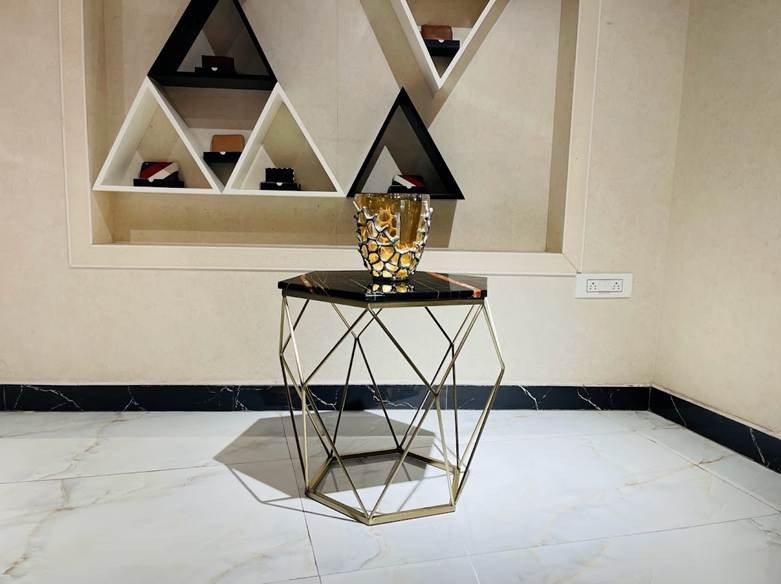
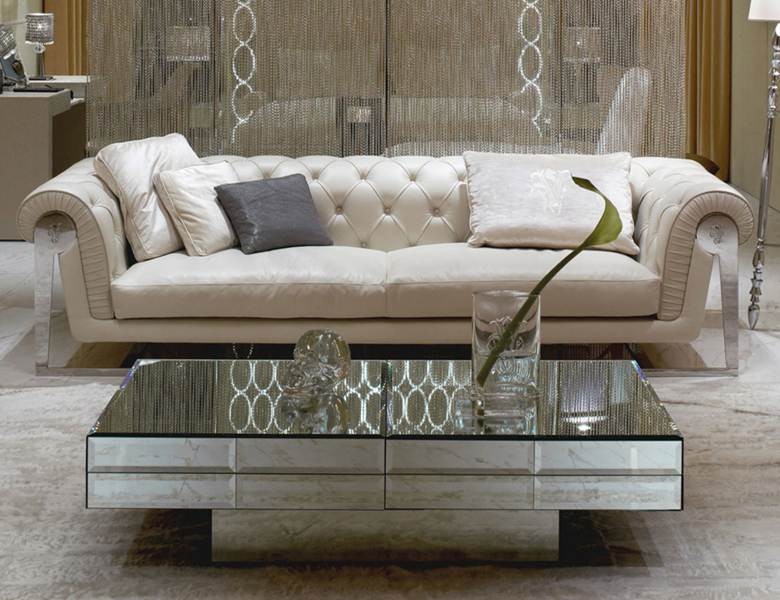
Chennai’s premium furniture showrooms tend toward warm lighting, controlled temperature, and curated fragrance or background sound. These elements make the experience pleasant and the products more appealing. A sofa that feels luxurious in a 23-degree, softly lit showroom may feel different in a Chennai living room at 34 degrees with ceiling fan circulation.
Adjusting for showroom conditions
- Always ask to see fabric swatches in natural light near a window or entrance before making an upholstery decision.
- Test seating comfort for at least three to five minutes, not a brief sit. Foam behaviour changes under sustained pressure.
- Examine finishes under the brightest light available on the floor, not under the mood lighting positioned above the display.
- If assessing colour coordination, bring a reference photo of your room taken in natural daylight, not a showroom photo.
A showroom that actively helps you adjust for these conditions, that moves a swatch to natural light without being asked or points out how a material performs at home versus in the shop, is prioritising your decision over its presentation. That orientation is worth noting.
The Relationship Between Process and Product Quality
There is a consistent relationship between how a furniture store in Chennai manages its showroom process and how it manages its product quality. Shops that have clear processes for receiving customers, demonstrating products, answering technical questions, and managing the post-purchase journey tend to apply the same discipline to their sourcing and quality control.
This is not coincidence. Both outcomes, a well-run showroom and a well-made product, require consistent standards enforced at every level. The shop that cannot maintain its own display floor to a consistent standard is unlikely to have rigorous quality standards in its supply chain.
Showroom SignalWhat It Predicts About the ProductConsistent quality across all display piecesReliable quality control in sourcing and productionStaff who know material specifications without checkingProduct training programme, signals operational disciplineClear, written warranty terms at point of enquiryAfter-sales infrastructure that functions under pressureDisplay pieces well-maintained even in low-traffic areasAttention to detail that extends beyond the sales momentFollow-up contact after your visit without being asked to buyLong-term relationship orientation, not transaction focus
What the Post-Visit Experience Reveals
A showroom visit that ends without a purchase is one of the most informative experiences a furniture buyer can have. How the shop behaves after you leave without buying tells you more about its character than any amount of in-showroom observation.
A great showroom follows up because it genuinely wants to help you make a good decision, not because it wants to close a sale before you visit a competitor. The follow-up message or call from a well-run showroom references the specific conversation you had, the room dimensions you mentioned, the fabric options you were considering. It is a continuation of a consultation, not a commercial prompt.
The difference in follow-up quality
- A generic “Did you make a decision?” message tells you the shop views you as a transaction in progress.
- A specific message referencing your room, your questions, and offering additional information tells you the shop views you as a relationship in progress.
- No follow-up at all tells you the shop assumes you will return if you want to buy, which is a reasonable posture but not a differentiating one.
Why Chennai’s Premium Buyers Revisit Before They Buy
The most consistent behaviour among Chennai’s discerning furniture buyers is multiple showroom visits before committing. Not because they are uncertain about what they want, but because they understand that a second visit, especially an unannounced one, reveals what the first visit, which the showroom was ready for, could not.
A showroom that performs consistently across both visits, where the staff remember you, where the quality of attention does not depend on proximity to purchase, and where the floor is maintained to the same standard on a quiet weekday as on a busy weekend, is a showroom that can be trusted. That consistency is the rarest quality in retail, and the most valuable.
If you are building a shortlist of Chennai showrooms worth a second visit, our Anna Nagar showroom is worth including. We operate the same way on every visit, whether it is your first or your third.
Frequently Asked Questions
How many times should I visit a furniture showroom before buying?
For major purchases, two visits are the practical minimum. The first visit builds familiarity. The second, ideally on a different day and time, tests consistency. Buyers who make significant furniture investments often find the second visit is where their real decision forms.
What should I pay attention to in a furniture showroom that most buyers ignore?
The condition of pieces in low-traffic areas of the showroom floor. The quality of display pieces away from the main lighting zone. How staff respond when you ask a question, they do not immediately know the answer to. And how the shop communicates after your visit without prompting from you.
Does the quality of a showroom experience in Chennai predict delivery quality?
Consistently, yes. Shops with organised, attentive showroom processes tend to apply the same discipline to delivery scheduling, installation, and after-sales support. The relationship between operational quality in the showroom and operational quality in the delivery process is not guaranteed, but it is one of the most reliable predictors available to a buyer before purchase.
Is it worth visiting furniture stores in Chennai outside my immediate area?
Yes, particularly if you are making a significant investment. Different parts of Chennai have different furniture retail clusters, each with different concentrations of shop types. Anna Nagar, for example, has a density of established showrooms that allows comparison shopping in a single trip, which is worth the journey from most parts of the city for major purchases.
About the Author
From the team at Fezmo Furniture, Anna Nagar, Chennai. We think about the showroom experience as seriously as we think about the furniture we stock, because we understand they are not separate things. What you experience when you walk through our door is a direct expression of the standards we apply to everything else. We welcome you to judge both.