For many households in the city, the choice of where to buy a sofa or a dining set is no longer a quick errand. It is a decision that involves the whole family, unfolds over several weekends, and is expected to hold up for a decade or more. That shift in mindset is part of why a well-run furniture shop in Anna Nagar often wins over a sprawling national retail chain. The reasons are practical, not sentimental, and they become clear the moment a family starts comparing what each option actually delivers after the purchase, not just at the point of sale.
This article looks at the specific factors that tilt family decisions toward a neighbourhood store: continuity of service, honest guidance, delivery that respects the realities of a family home, and the kind of accountability that comes from a business rooted in the local community. None of these are abstract selling points. They are the everyday realities that decide whether a purchase feels like a relief or a regret two years later.
The Family Is Now the Buyer, Not the Individual
A generation ago, one person often made the furniture call. Today the pattern looks different. A working couple weighs durability against how a piece will survive young children. Parents living with the family have opinions on comfort and back support. Even teenagers have views on how a living room should look. When several people share the decision, the shopping experience itself matters more, because everyone needs to be heard and reassured.
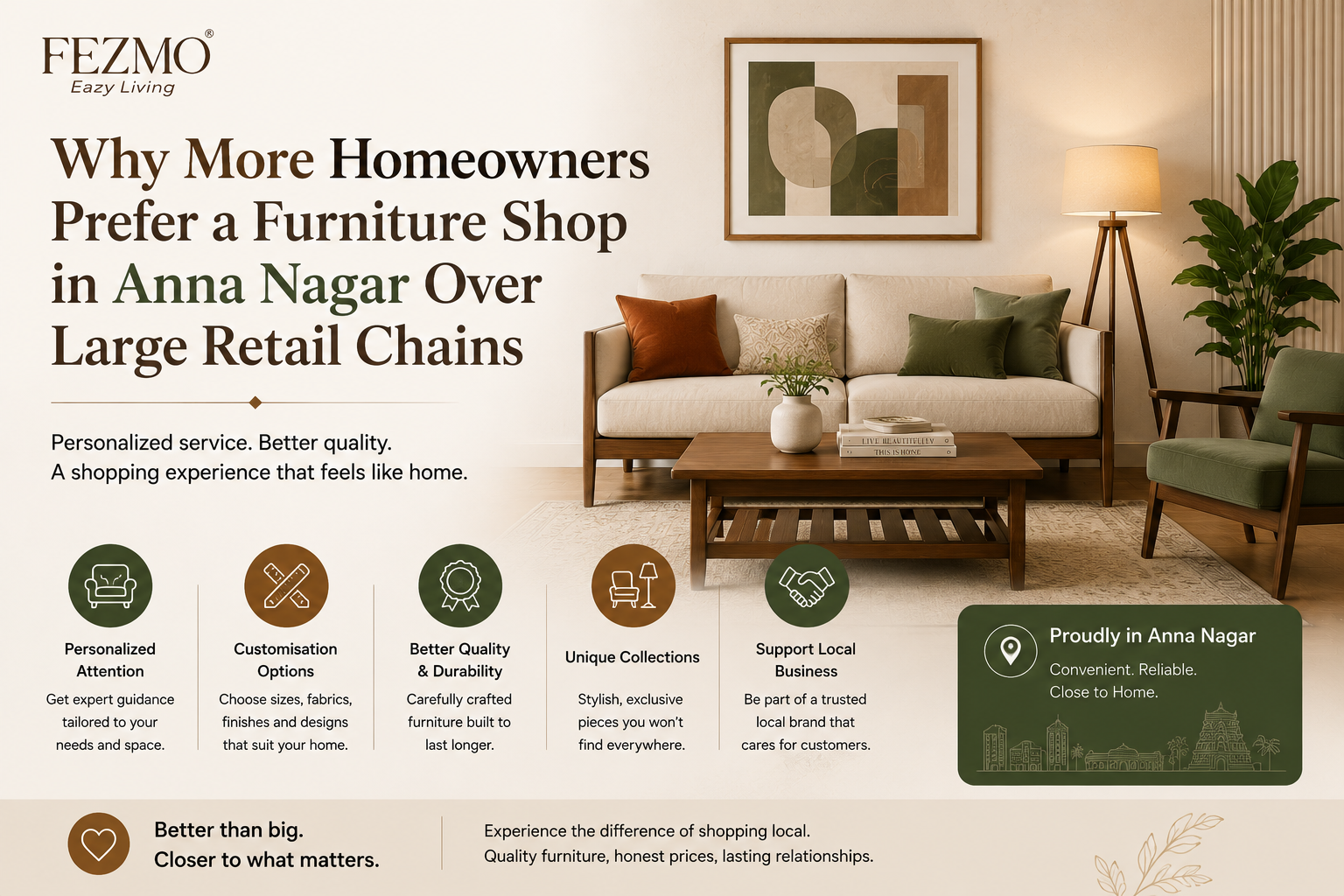
Large retail chains are built for speed and volume. Their floor staff rotate frequently, product knowledge is thin, and the layout is designed to move people toward a checkout. A family that wants to sit, discuss, and return the following weekend to reconsider rarely gets that space. A neighbourhood store treats the slower pace as normal. Staff remember who visited, what was discussed, and which concerns were still open. That memory is worth far more to a family than a marginally lower sticker price.
Guidance That Reflects Local Living
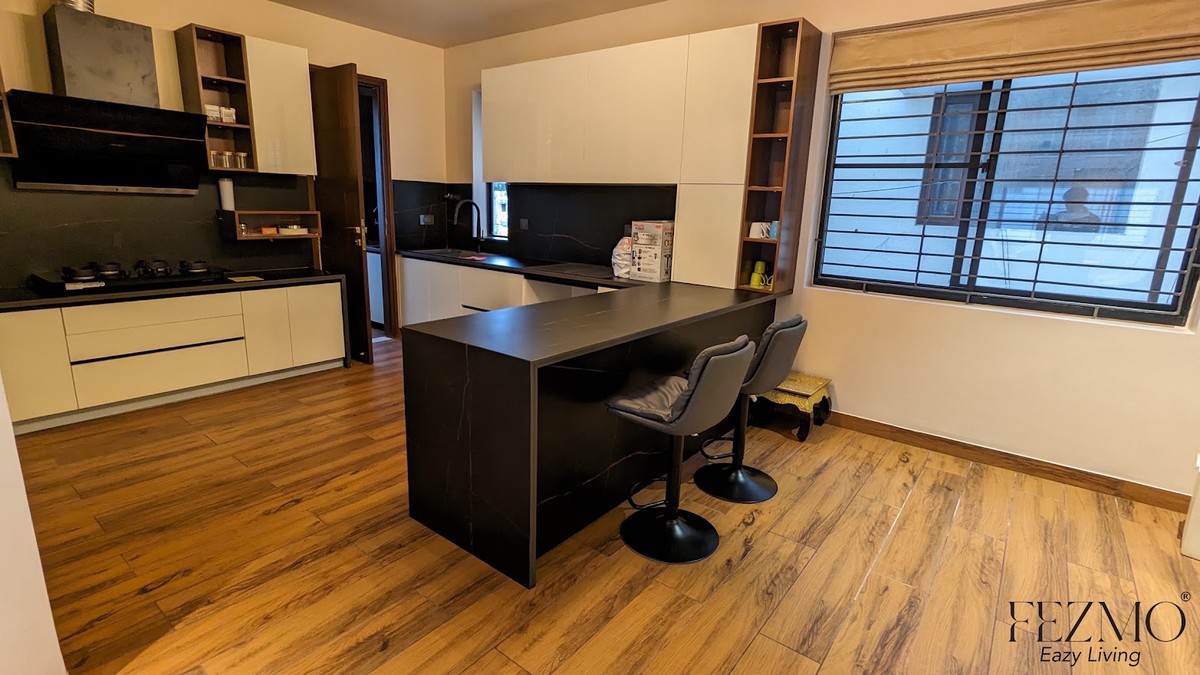
Homes here contend with humidity, salt air in some pockets, and compact apartment layouts that make every dimension count. A store staffed by people who live in the same conditions gives advice that fits. They know which finishes hold up well through Chennai's coastal summers, which sofa depth suits a smaller hall, and how a piece will move through a narrow stairwell. National chains sell the same catalogue in Chennai as in Chandigarh, so this local calibration is missing by design.
After-Sales Is Where the Real Difference Shows
A furniture purchase is not finished at delivery. A cushion sags, a hinge loosens, a joint needs attention after two monsoons. This is where the gap between a local store and a chain becomes obvious. When a family buys from a dedicated furniture showroom in Anna Nagar, the same business that sold the piece is the one that services it. There is a name, a number, and a person who has an interest in keeping a repeat customer happy.
Chains route after-sales through call centres and third-party logistics partners. Warranty claims can stretch for weeks, spare parts may be out of stock, and the person who eventually arrives has no connection to the sale. For a family that has already invested significant money and trust, this distance is frustrating. The neighbourhood model keeps responsibility in one place, which is exactly what a household wants when something needs fixing.
A Side-by-Side Comparison
Staff Continuity
- Neighbourhood Store: You'll usually interact with the same team throughout your buying journey, from your first visit to after-sales support.
- Large Retail Chain: Staff turnover is often high, so customers rarely deal with the same person twice.
Local Expertise
- Neighbourhood Store: Recommendations are tailored to Chennai's climate, apartment layouts, and local lifestyle.
- Large Retail Chain: Products and advice are based on a standard national catalogue with limited local customization.
After-Sales Service
- Neighbourhood Store: Service requests are handled directly by the store that sold the furniture, ensuring faster and more personal support.
- Large Retail Chain: Warranty and service requests are typically managed through call centres or third-party service providers.
Delivery and Installation
- Neighbourhood Store: Delivery teams are familiar with local apartments, gated communities, and access challenges, making installation smoother.
- Large Retail Chain: Deliveries are often outsourced to third-party logistics providers who may not be familiar with local buildings.
Accountability
- Neighbourhood Store: The business relies on its reputation within the local community, encouraging reliable service and long-term customer relationships.
- Large Retail Chain: Responsibility is spread across multiple departments and service partners, making accountability less direct.
Delivery and Installation Into a Real Home
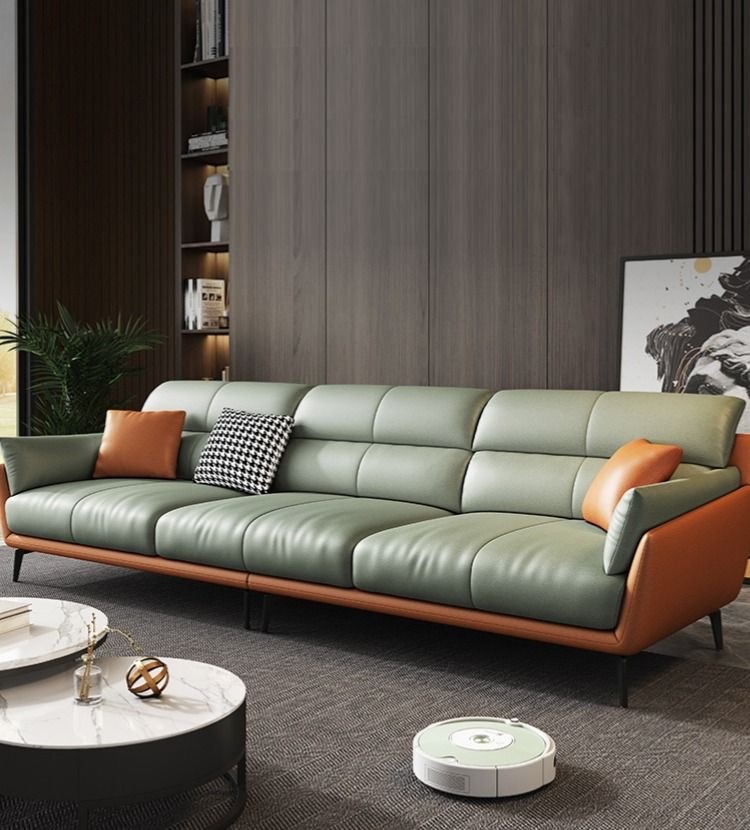
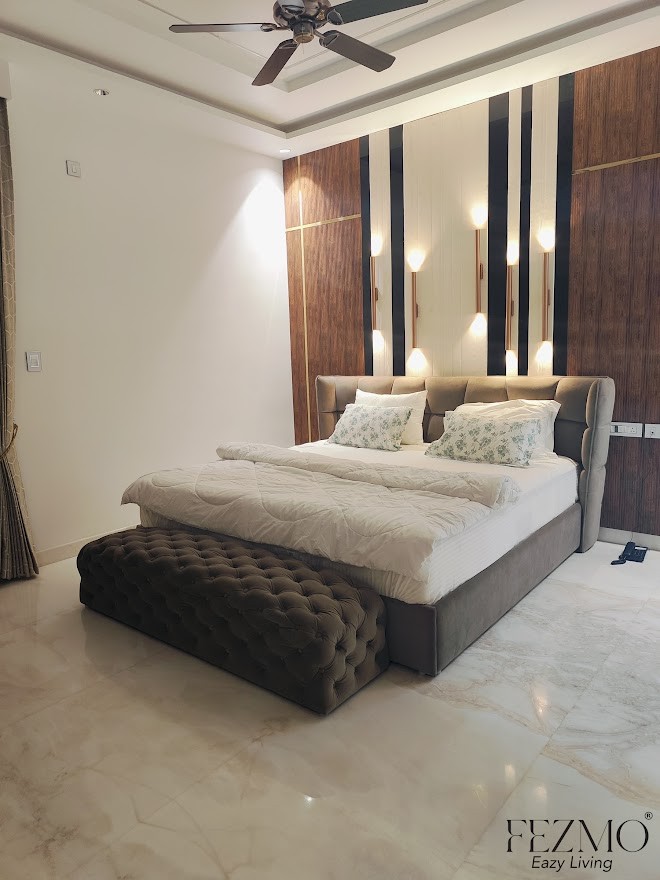
Photographs on a website do not warn a buyer that a three-seater will not clear a lift door, or that a bed frame needs to be assembled inside a bedroom because it cannot turn the corner from the hall. Local teams have delivered into the same apartment complexes many times. They anticipate these problems, plan the route, and arrive with the right approach. Families notice the difference on delivery day, when a smooth installation replaces the stress of a piece stuck in a stairwell.
A chain typically hands delivery over to a logistics contractor whose primary goal is to complete the delivery as quickly as possible. Assembly often becomes the customer's responsibility, and any damage becomes a dispute between the buyer, the store, and the courier. When one business owns the full journey from selection to placement, the family deals with a single point of contact rather than a chain of people passing responsibility along.
Value That Lasts Longer Than a Discount
Chains compete hard on headline prices, and a banner promising a large discount is tempting. Yet families increasingly understand that a low price on a piece that fails early is not value at all. What lasts is construction quality, the honesty of the material description, and the certainty that support exists if something goes wrong. A neighbourhood store that expects to see the same customers again has every reason to be straight about what it sells.
This is why more households treat a trusted local retailer as a long-term relationship rather than a one-time transaction. When people plan to furnish room by room over several years, they want a partner who remembers their earlier choices and helps them keep a consistent look. Exploring a premium furniture store in Anna Nagar with that continuity in mind tends to serve a family far better than chasing whichever chain has the loudest sale that month.
What Smart Families Check Before Buying
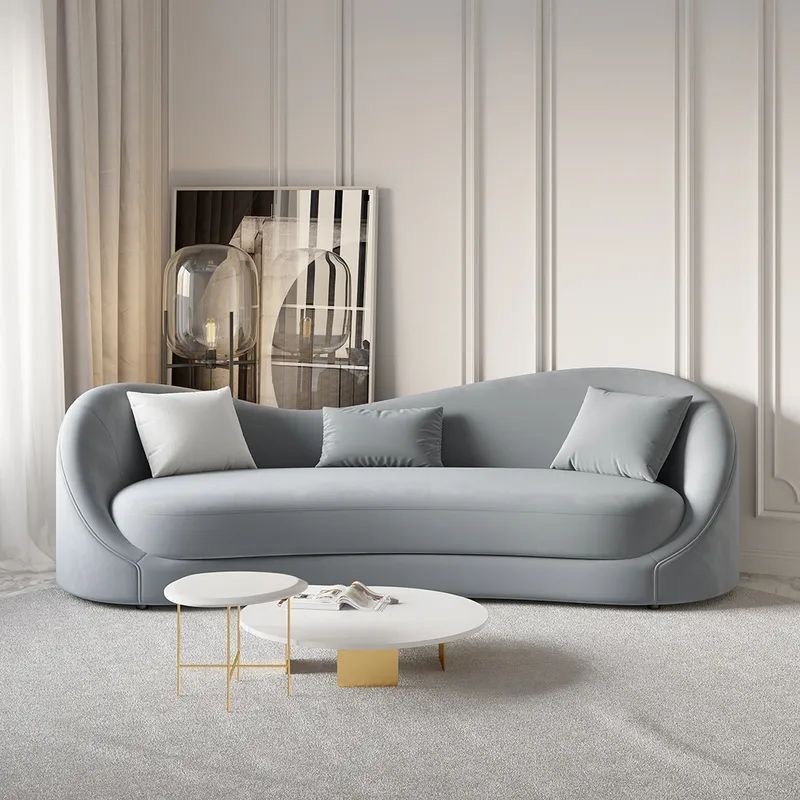
Experienced buyers look past the showroom lighting. They ask how the frame is built, what the warranty actually covers, whether spare parts are stocked, and how long a service call takes. They sit on the sofa for several minutes instead of just a few seconds. They ask about delivery into their specific building. A store confident in its products welcomes these questions. Vague answers are a signal to walk away, whatever the discount on offer.
Why This Trend Keeps Growing
The move toward neighbourhood furniture retailers is not nostalgia. It tracks a broader change in how families buy considered purchases. People research more, trust reviews from their own circle, and value service they can hold someone accountable for. A local store fits this behaviour naturally, because reputation in a single locality is fragile and therefore carefully protected. One poorly handled customer experience quickly becomes a story that spreads through the community, so the incentive to do right by every customer is built in.
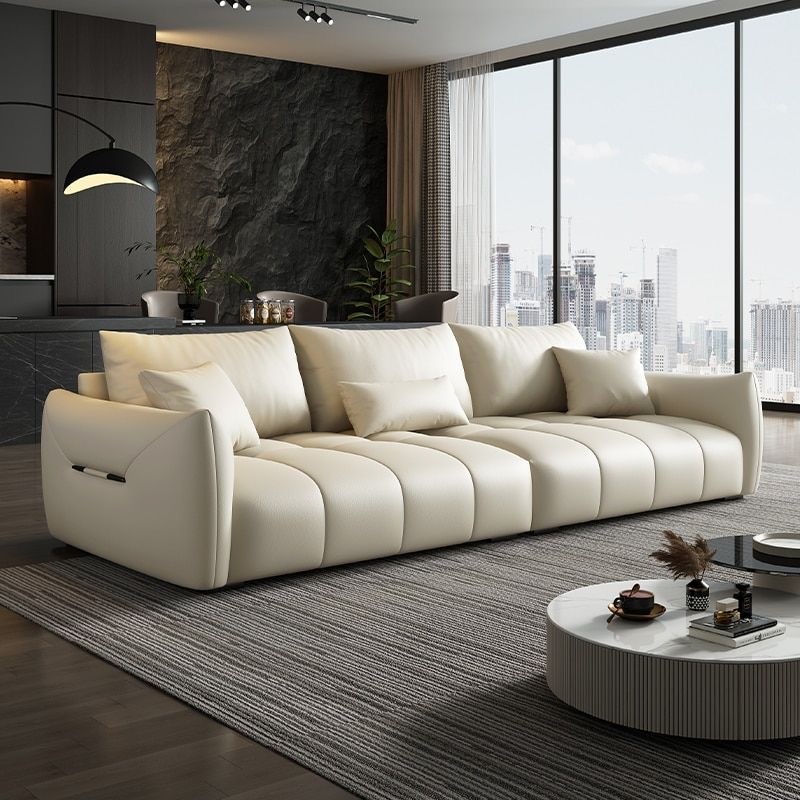
As homes get more personal and buyers more informed, the qualities a family cares about, continuity, local knowledge, honest guidance, and dependable support, all point in the same direction. That is the quiet logic behind a decision that looks emotional but is in fact deeply practical.
Bringing It Together
Choosing where to buy furniture is really a choice about who a family wants to rely on for the next ten years. A neighbourhood store offers a face, a memory, and an interest in getting it right, while a chain offers scale and short-term discounts that lose their appeal once the delivery truck leaves. For most families weighing comfort, longevity, and peace of mind, the local option is the sensible one. If you are ready to see the difference for yourself, get in touch with the Fezmo team to plan a visit and talk through what your home needs.
Frequently Asked Questions
Is a local furniture store more expensive than a big chain?
Not necessarily. Headline discounts at chains often sit on inflated list prices, and the real cost includes weak after-sales and short product life. A local store that stands behind its work frequently delivers better value over the many years the furniture is actually used.
Do neighbourhood stores offer the same product range?
A focused local retailer usually curates rather than stocks everything, which means fewer choices but higher confidence in each one. The range is chosen for the way homes in the local area are designed and lived in, so relevance tends to be higher even if the raw catalogue is smaller.
How important is after-sales service when buying furniture?
Very important. Furniture is used daily for years, so occasional service is normal. Buying from a business that handles its own after-sales means faster response and clearer accountability than a claim routed through a distant call centre.
Can a local store handle delivery into apartments and gated communities?
Yes, and this is often a strength. Local teams know the buildings, the lift dimensions, and the access rules, so installation on the day is smoother than an outsourced drop-off handled by a courier unfamiliar with the property.