Introduction
Most furniture buying decisions are made on instinct. You walk into a furniture showroom in Chennai, something catches your eye, a salesperson confirms it is a good choice, and a purchase follows. It feels efficient. It feels decisive. And for a significant number of buyers, it ends in regret.
The problem is not the instinct. A piece of furniture that genuinely appeals to you visually is a reasonable starting point. The problem is what happens next, or more precisely, what does not happen next. The questions that would have changed the decision are never asked. The details that would have revealed the gap between showroom and reality are never uncovered. The buyer walks out satisfied, and then the furniture arrives.
This guide gives you the complete set of questions to ask before you leave any furniture showroom in Chennai. Not as a checklist to be awkward or difficult, but as a practical tool for making a decision you will still be happy with years after the delivery truck has gone. The best furniture shops in Chennai will welcome every single one of these questions. The shops that do not are telling you something important.
Table of Contents
1. Why Most Buyers Leave Without Asking Enough
2. Questions About Materials and Construction
3. Questions About Customisation
4. Questions About Manufacturing and Origin
5. Questions About Warranty and After-Sales Support
6. Questions About Delivery and Installation
7. The Question Framework at a Glance
8. How Fezmo Answers All of These
9. Conclusion
10. Author Bio
1. Why Most Buyers Leave Without Asking Enough
Furniture showrooms are sales environments, and they are designed to be navigated on the showroom’s terms. Staff are trained to guide buyers toward decisions, not to encourage extended questioning that might introduce doubt or delay. Displays are curated to answer the visual question (does this look good?) while leaving the practical questions (will this hold up, will it fit, what is it made of?) unanswered unless specifically raised.
Buyers also tend to feel that asking too many questions is somehow impolite, or that it signals distrust of the salesperson. This feeling is understandable but misplaced. A purchase of this size and this permanence in your home justifies a thorough conversation. Any furniture shop worth your business will recognise that.
The furniture shops in Anna Nagar and across Chennai that operate at the highest standard actively encourage these conversations. They know that buyers who understand what they are purchasing become satisfied long-term customers rather than one-time transactions that end in disappointment.
2. Questions About Materials and Construction
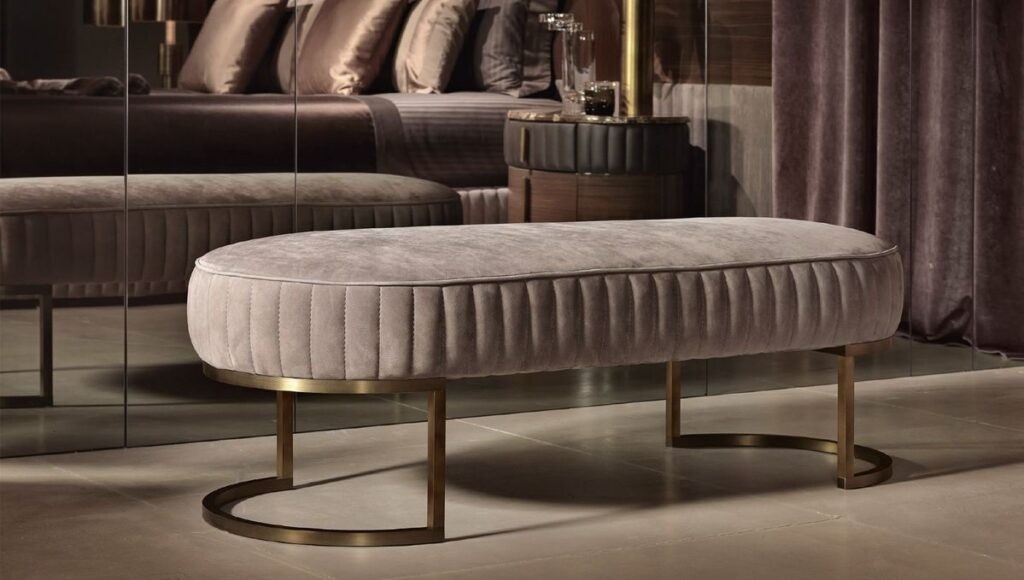
What is the frame made from?
This is the most important structural question. The answer should be specific. Solid hardwood, kiln-dried timber, or quality engineered wood are acceptable answers. Vague references to ‘wood’ or ‘premium materials’ without specification are not.
What is the foam density?
For any upholstered piece, foam density determines comfort longevity. Ask for the specification in kg/m3. High-quality furniture uses foam at 40 kg/m3 or above. Anything below 32 kg/m3 will show noticeable compression within a year of regular use. A shop that cannot provide this number does not know what is inside their products.
What is the fabric abrasion rating?
Fabric durability is measured in rub cycles (Martindale scale). For a sofa in a home with regular use, a minimum of 25,000 rub cycles is a reasonable expectation. Premium fabrics reach 40,000 cycles and above. This rating is particularly relevant in Chennai where warmth and humidity add additional stress on upholstery.
How are the joints constructed?
Mortise and tenon, dowel and glue, or corner block reinforcement are indicators of quality joinery. Staples or basic screws indicate a lower build standard. Ask to see a cross-section sample if possible or ask the salesperson to describe the joint method specifically.
3. Questions About Customisation
Can this be made to my exact dimensions?
Standard catalogue sizes do not fit all rooms. A piece that cannot be adjusted in size may not work in your apartment regardless of how good it looks in the showroom. Ask specifically whether custom dimensions are available and whether they affect the price or lead time significantly.
How many fabric and colour options are available?
A limited fabric range often indicates that the shop is retailing rather than manufacturing. A manufacturer with genuine customisation capability will offer a substantial range of materials and finishes. At Fezmo, the answer is over 1,200 combinations. That number reflects a real manufacturing operation, not a catalogue shop.
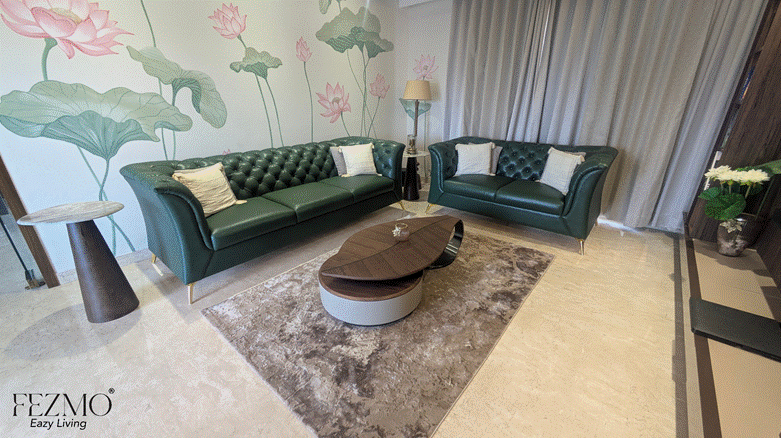
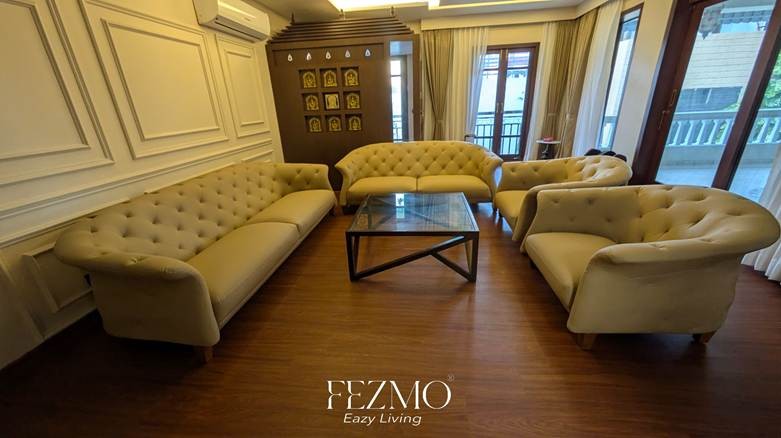
Browse Fezmo’s sofa collection to get a sense of what genuine customisation depth looks like across a single product category.
4. Questions About Manufacturing and Origin
Is this piece manufactured in-house or sourced from a third party?
In-house manufacturing gives the shop direct control over quality. Third-party sourcing means the shop is a retailer of another manufacturer’s product, which affects quality consistency and the ability to resolve problems if something goes wrong.
Where are the raw materials sourced from?
The origin of wood, foam, and fabric matters. Imported materials, particularly Italian leather and Canadian hardwood, carry different quality characteristics than locally sourced alternatives. A shop that uses premium imported materials and can demonstrate why makes a different value proposition than one that uses the same terminology without the substance.
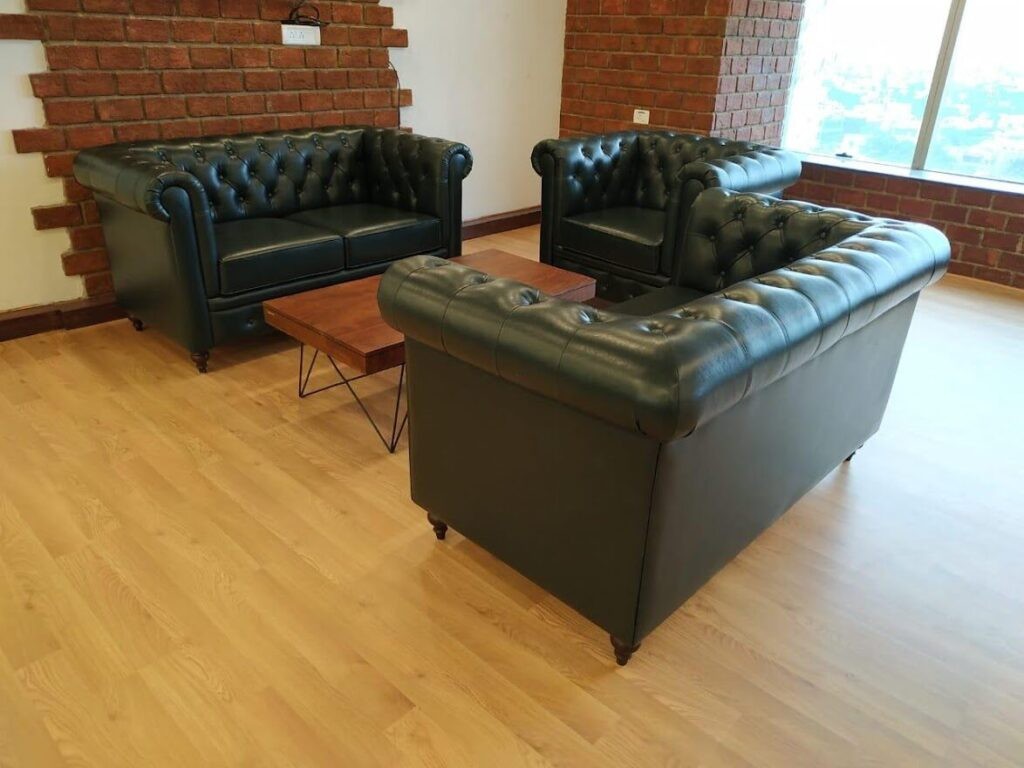
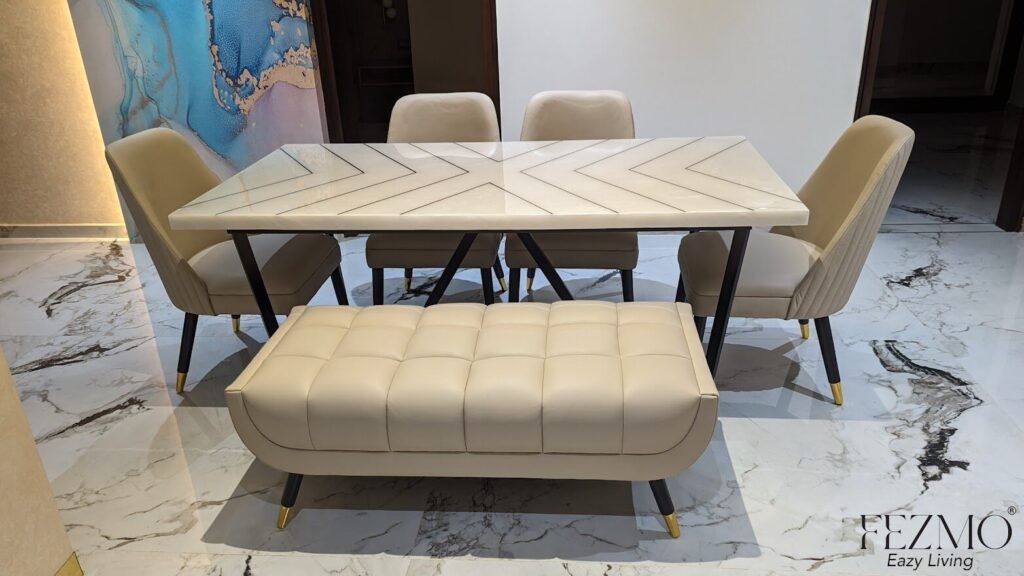
Can I visit the manufacturing facility?
This is a revealing question. Shops that manufacture genuinely will often accommodate a visit or at least describe the process in detail. Shops that are rebranding third-party products will redirect the conversation.
At the Fezmo Anna Nagar showroom, the design consultation includes an honest explanation of exactly how each piece is built, what goes into it, and why those choices were made.
5. Questions About Warranty and After-Sales Support
What does the warranty cover and for how long?
A warranty that covers structural defects for a minimum of two years is a reasonable expectation for quality furniture. Ask specifically what is covered (frame, foam, fabric, mechanisms) and what is excluded. A comprehensive warranty from a shop that manufactures in-house is more meaningful than a warranty managed through a third-party manufacturer.
Who handles warranty claims?
The answer should be the shop itself, not a manufacturer’s representative or a separate service provider. In-house warranty management means faster resolution and direct accountability.
Is installation included, and who does it?
Some furniture requires assembly or professional installation. Confirm whether this is included in the purchase price and whether the shop’s own team handles it or subcontracts to third parties.
6. Questions About Delivery and Installation
What is the confirmed delivery timeline?
Custom furniture requires manufacturing lead time. Standard pieces should be deliverable within a clear window. Ask for this in writing. A vague ‘a few weeks’ commitment creates no obligation.
How is the furniture protected during delivery?
Damage during transit is the most common post-purchase complaint in furniture buying. Ask how pieces are wrapped and whether the delivery team is trained in handling upholstered furniture.
What happens if something is damaged on arrival?
Get the answer to this question before you sign anything. A shop with genuine after-sales standards will have a clear, immediate replacement process. A shop that redirects you to a claim form has already told you how much effort resolving a problem will require.
About the Author
This article was written by the Fezmo Editorial Team, a group of furniture enthusiasts, interior design consultants, and content specialists based in Chennai. With direct access to Fezmo’s design studio, manufacturing facility, and showroom teams, the Editorial Team writes content that bridges the gap between expert craftsmanship and everyday homeowning decisions. Every article is reviewed for accuracy and updated regularly to reflect the latest trends in the Chennai furniture market.