By the Fezmo Furniture Editorial Team | Reviewed by our in-house furniture consultants | Reading time: about 7 minutes
The word luxury is used loosely in furniture retail. A high price and a velvet finish do not make a piece premium, and a calm, well-designed display does not always mean lasting quality. If you are exploring luxury furniture stores in Chennai, it helps to know what genuine luxury is actually made of, beyond the label. A good furniture showroom in Chennai should be able to show you the difference in the materials, the joinery, and the comfort, not just describe it. This guide breaks down what really justifies a premium, so your money buys substance rather than marketing.
Real luxury in furniture is quiet and structural. It lives in the parts you cannot see at a glance, and it proves itself over years of daily use.
What Luxury Really Means in Furniture
Demand for branded and premium furniture in India is rising, supported by higher disposable incomes and a growing taste for design-led, durable pieces. Wood remains the heart of the premium segment, accounting for close to sixty percent of furniture made in the country, with teak alone making up about half of all wooden furniture produced, according to industry research. Premium furniture, then, is often a story about better material chosen carefully and worked skilfully.
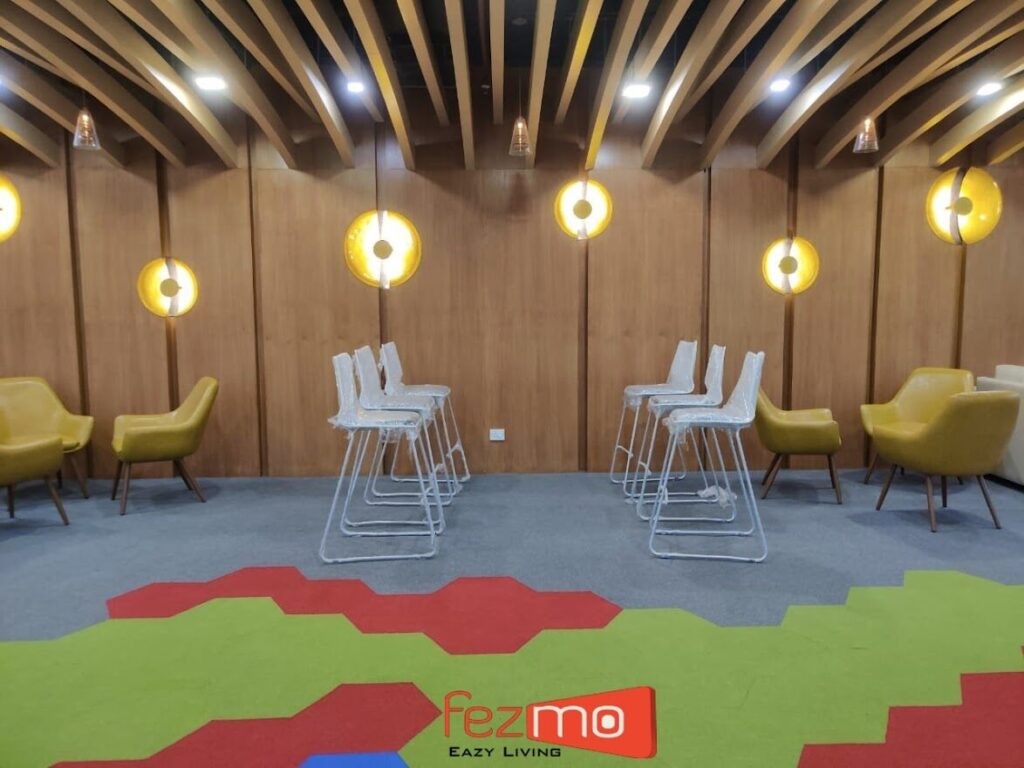
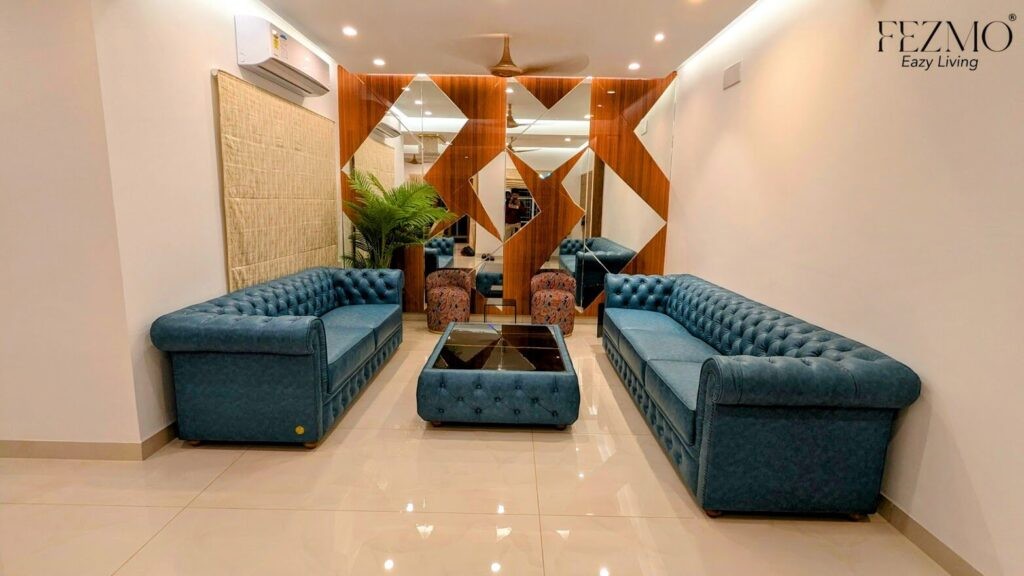
True luxury is the sum of four things, namely material quality, craftsmanship, comfort engineering, and after-sales support. A piece that delivers on all four earns its premium. One that delivers only on appearance does not, however high the price.
Materials: Where Premium Begins
The clearest difference between standard and luxury furniture is the raw material. In premium pieces you find seasoned solid hardwoods such as teak, full-grain or top-grain leather, and high-thread upholstery fabrics rated for heavy use.
Wood and frames
Seasoned hardwood resists warping in Chennai humidity and holds joinery firmly over time. Ask whether the frame is solid hardwood or engineered board, and how the wood has been treated. The answer tells you a great deal about longevity.
Teak deserves a special mention here. It is the most widely used wood in Indian furniture, making up roughly half of all wooden furniture produced, and it is prized precisely because its natural oils help it resist moisture and pests. In a coastal, humid city, that durability is not a luxury detail but a practical advantage, which is why genuinely premium showrooms tend to be confident and specific when they talk about their wood.
Leather and fabric
Full-grain leather ages gracefully and develops character, while bonded or coated alternatives can peel within a few years. For fabric, higher rub counts indicate greater durability. A premium showroom will know these numbers and share them.
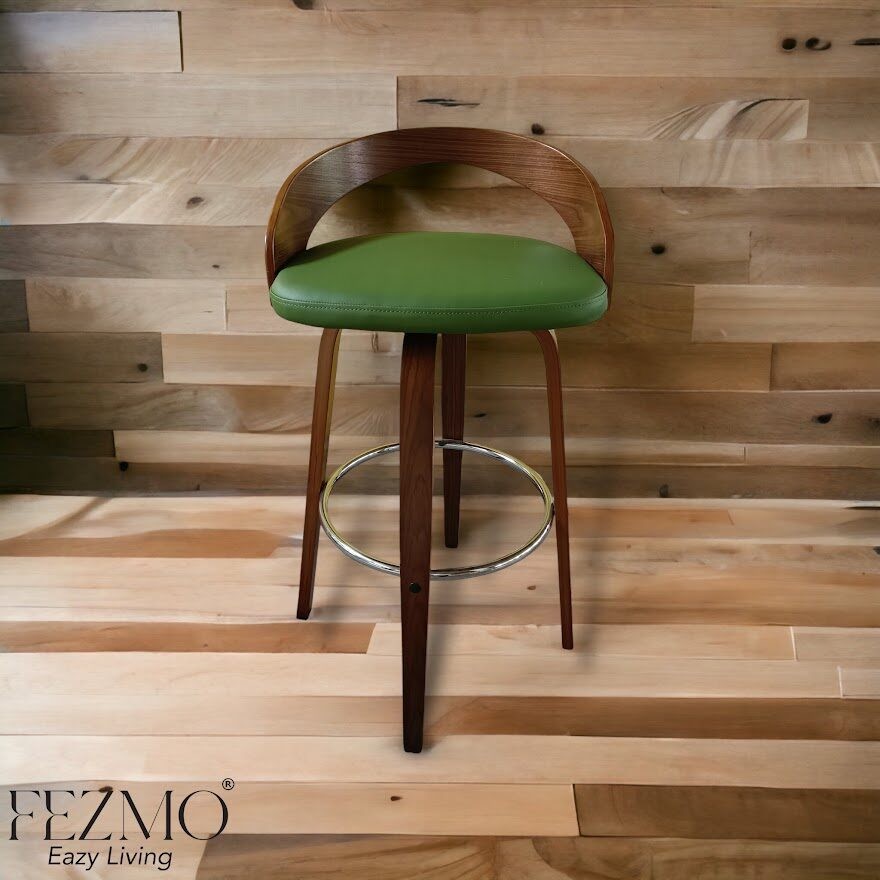
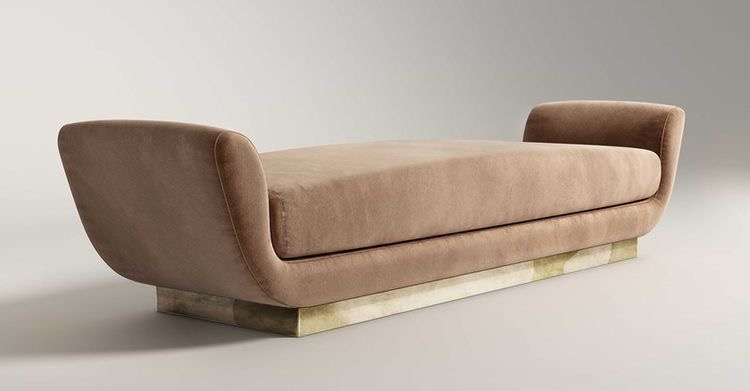
Craftsmanship and Finishing
Luxury reveals itself in the details. Run your hand along edges, seams, and corners. In a premium piece the joins are clean, the stitching is even, and the finish is consistent on surfaces you rarely look at, such as the underside of a table or the back of a cabinet.
- Joinery uses dowels, screws, or traditional joints rather than staples alone.
- Drawers glide smoothly and sit flush when closed.
- Upholstery patterns align neatly across cushions and arms.
- Hardware feels solid and operates quietly.
These details take time and skill, which is part of what you pay for. They are also what keeps a piece looking and feeling refined long after a cheaper alternative has started to loosen and sag.
Comfort Engineering
Premium seating is engineered, not just stuffed. High-density foam, layered cushioning, and considered seat depth combine to give support that lasts. A luxury sofa should feel as good after twenty minutes as it does in the first ten seconds, and it should recover its shape when you stand.
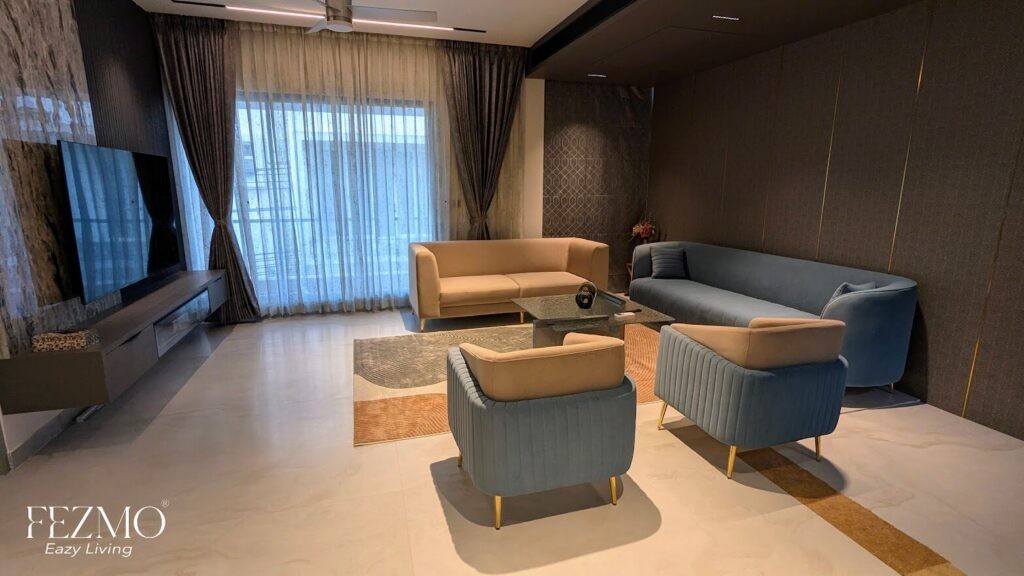
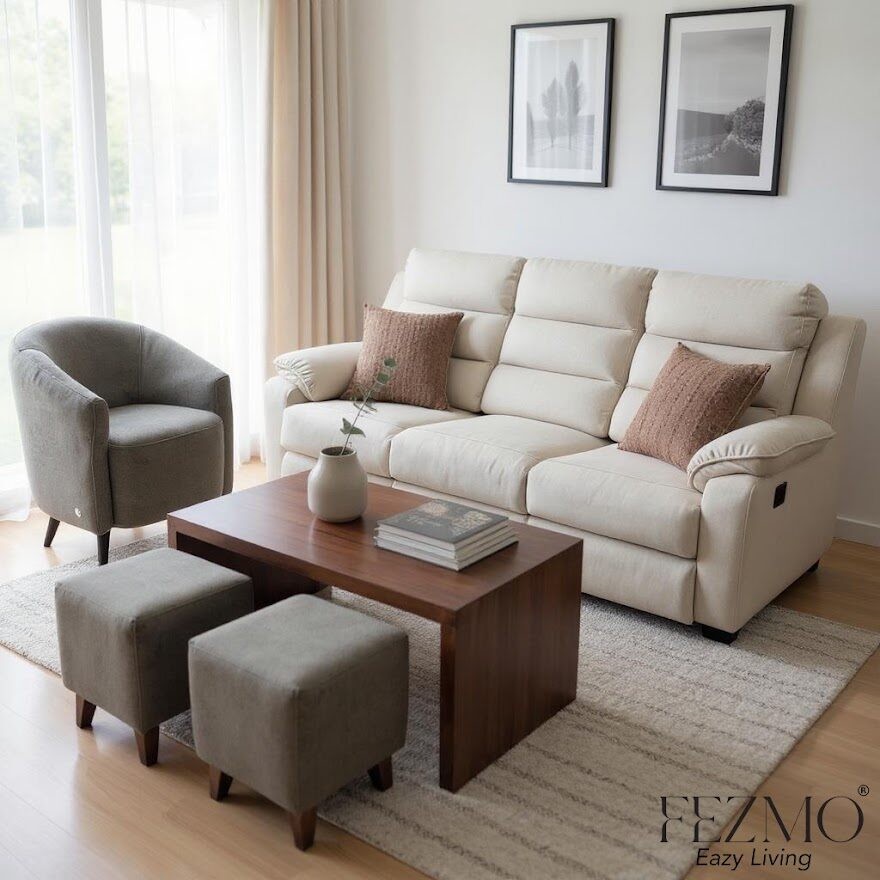
The same applies to beds and mattresses, where premium construction supports posture and holds firmness over years. Comfort that fades within a year is a sign the engineering was shallow, regardless of how the piece looked on day one.
Customisation and Made-to-Order Options
A hallmark of the premium segment is the ability to make a piece truly yours. A serious premium furniture showroom will often let you choose dimensions, wood finish, and upholstery so the furniture fits your room and taste precisely, rather than forcing your home to accommodate a standard size.
Customisation also tends to use your space more efficiently, which matters in both compact apartments and larger villas. When a showroom offers genuine made-to-order options, with samples and clear lead times, it signals confidence in its own workmanship.
After-Sales Support and Longevity
Luxury does not end at delivery. Premium retailers stand behind their products with meaningful warranties, spare parts, and services such as reupholstery and cushion refilling. This support is part of the value, because a fine piece is meant to last and occasionally needs care.
When you weigh the cost of premium furniture, think in terms of cost per year of use rather than the sticker price. A well-made sofa that stays comfortable and serviceable for a decade often proves better value than a cheaper one replaced twice in the same period.
Is Luxury Worth It for Your Home?
Premium furniture makes the most sense for pieces you use daily and keep for years, such as the main sofa, the bed, and the dining table. For occasional or decorative items, a mid-range choice may serve just as well. The smart approach is selective, investing in luxury where durability and comfort matter most, and spending modestly elsewhere.
Telling Marketing Luxury from the Real Thing
Some products borrow the language of luxury without the substance. A few simple checks help you separate genuine quality from a premium-sounding pitch.
- Glossy photos and a high price, but vague answers about materials, point to marketing rather than quality.
- A real premium piece feels solid and quiet when handled, with no flex or creak in the frame.
- Genuine luxury usually comes with detailed warranties and service options, not just a higher tag.
- Finishing on hidden surfaces is consistent, since true craftsmanship does not cut corners where buyers rarely look.
If a showroom can demonstrate these points rather than merely describe them, you are likely looking at the real thing. If every claim is about appearance and prestige, treat the premium label with healthy caution.
Conclusion
Genuine luxury furniture is defined by what it is made of and how it is built, not by its price or its photographs. Look for seasoned hardwoods, honest leather and fabric, careful craftsmanship, real comfort engineering, and after-sales support that protects your investment. Judge these in person, and a premium piece will reveal its worth. If you would like guidance on which luxury pieces suit your home and how to customise them, you can contact our furniture experts for a considered, no-pressure conversation.
Frequently Asked Questions
What makes furniture genuinely luxury rather than just expensive?
Genuine luxury combines quality materials, skilled craftsmanship, real comfort engineering, and strong after-sales support. A high price without these elements is simply costly, not premium.
Is solid wood always part of luxury furniture?
Seasoned solid hardwood is common in premium frames because it lasts and holds joinery well. Quality engineered components can appear in fine furniture too, but the wood should always be properly treated and clearly explained.
How do I judge premium upholstery in a showroom?
Ask about leather grade or fabric rub counts, feel the material, and check that stitching and patterns align cleanly. Full-grain leather and high-rub fabrics signal durability.
Is luxury furniture worth the higher cost?
For daily-use pieces like the sofa, bed, and dining table, premium quality often pays off through years of comfort and durability. Measured by cost per year of use, it can be better value than repeatedly replacing cheaper items.
About the Author
This article was written by the Fezmo Furniture editorial team with input from our in-house furniture consultants, who regularly guide Chennai buyers through premium and made-to-order collections. Their hands-on experience with hardwoods, leather, upholstery, and comfort construction informs the practical advice shared here. Fezmo Furniture creates honest, buyer-first guides so readers can recognise real quality and invest with confidence.