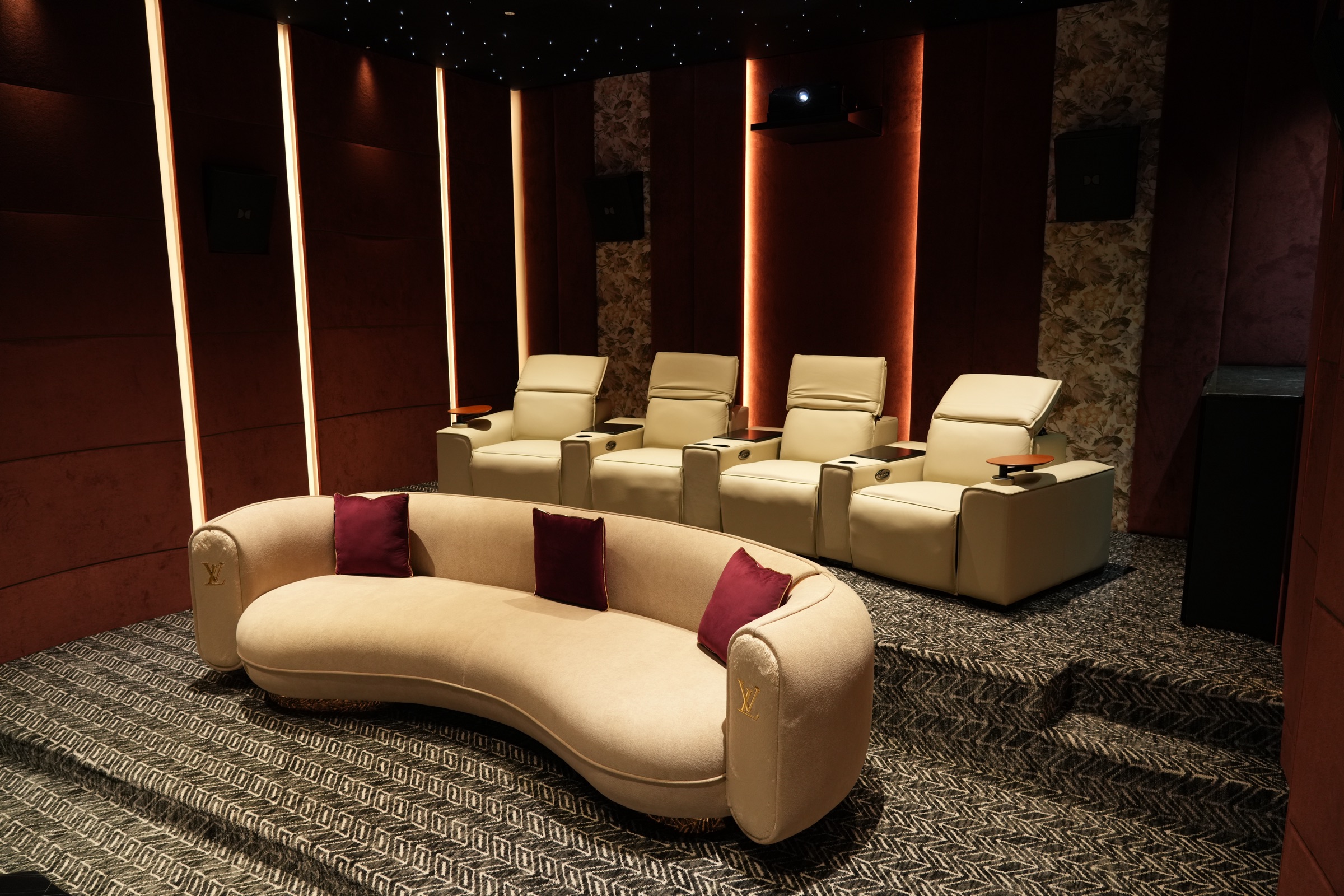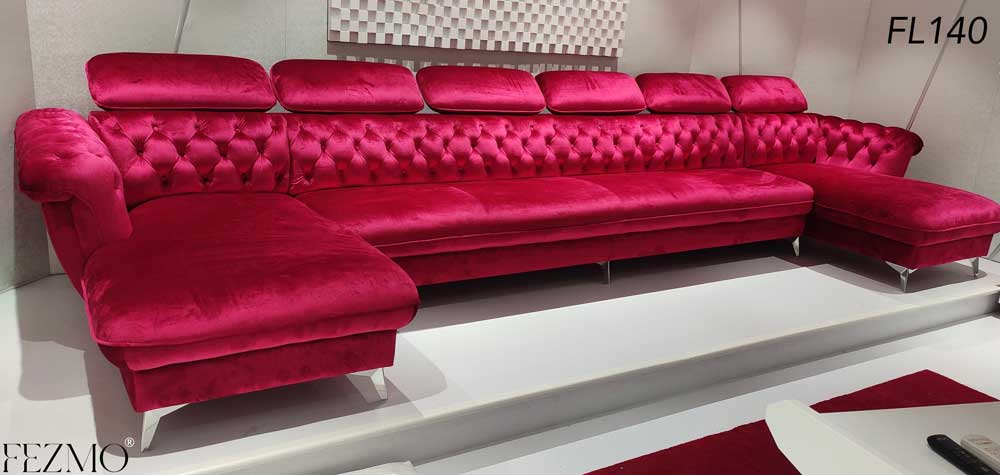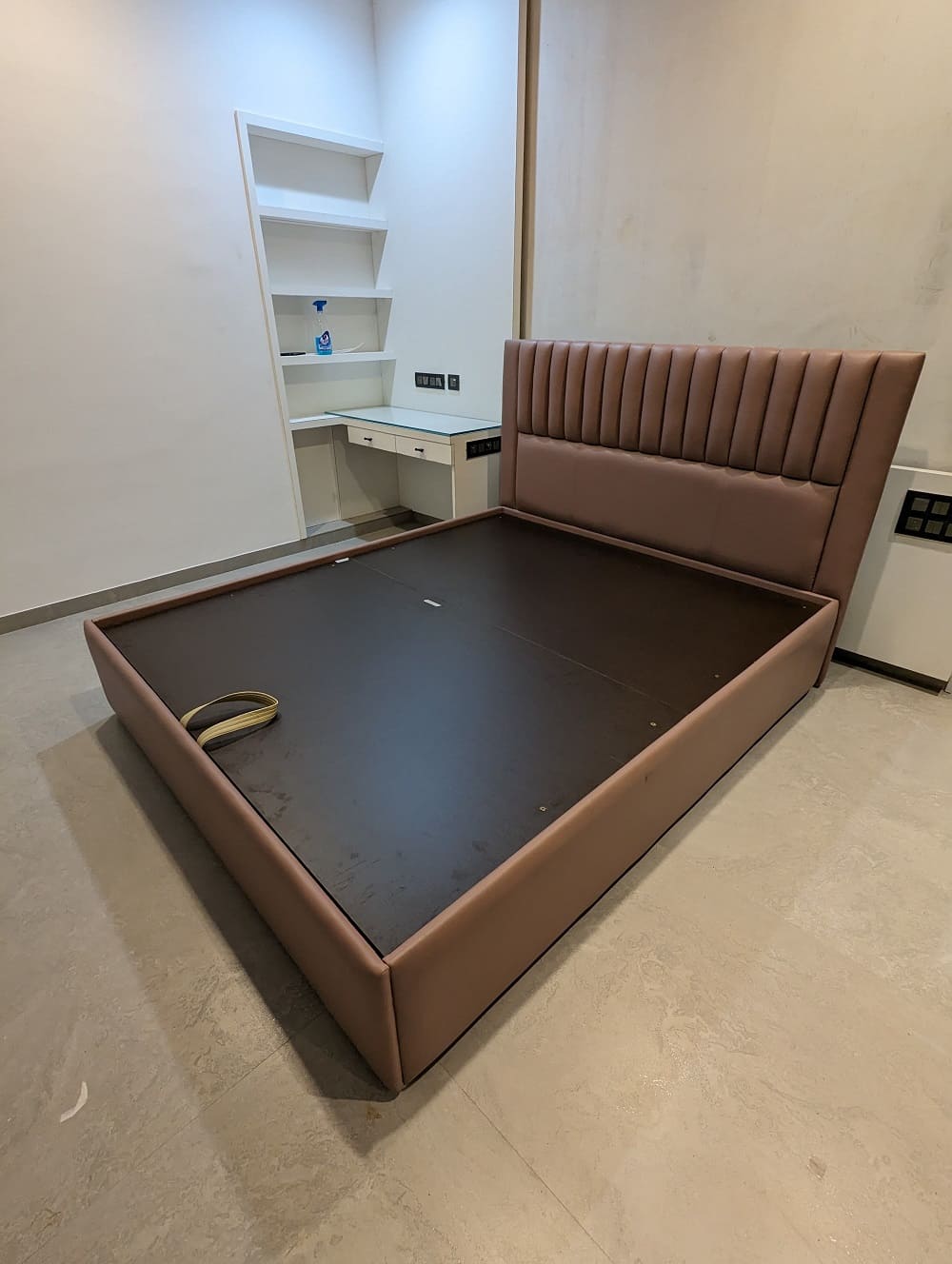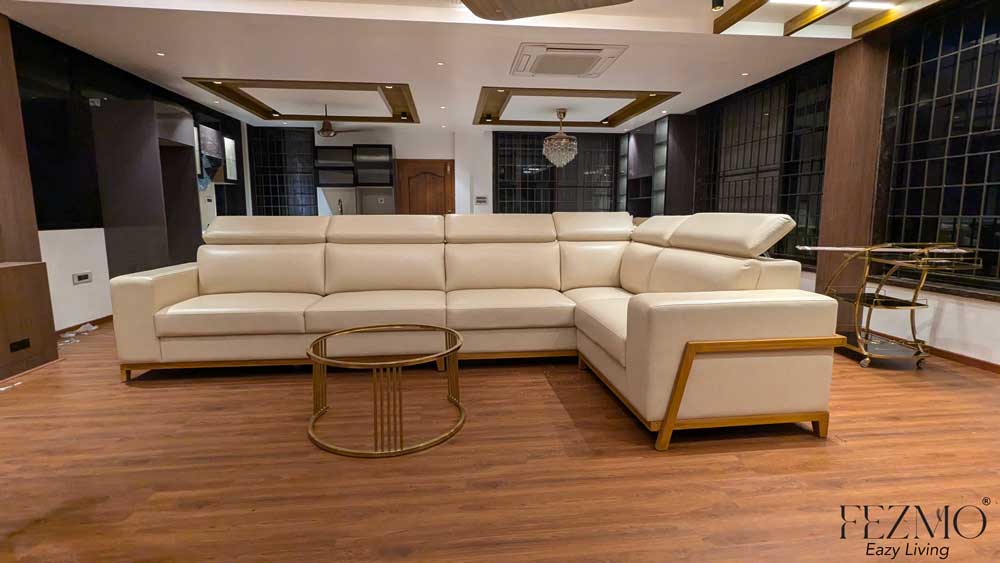
What a Good Furniture Showroom in Chennai Gets Right is something most buyers never notice until after they make a purchase. When Chennai buyers evaluate a furniture showroom in Chennai, most of the attention goes to the products on display. The sofa that catches the eye. The dining set that fits the price range. The bedroom configuration that looks right. What rarely gets attention is the showroom itself, and that is a mistake because how a showroom is run tells you more about what your ownership experience will be like than any individual piece of furniture ever could.
The details that reveal a well-run, trustworthy furniture store are subtle. Most buyers walk past them entirely. But once you understand what a good furniture showroom in Chennai gets right, a twenty-minute walk through a showroom gives you a surprisingly accurate read on whether the shop deserves your trust and your money.
The Lighting Is Calibrated to Make Products Look Good, Not to Help You Decide
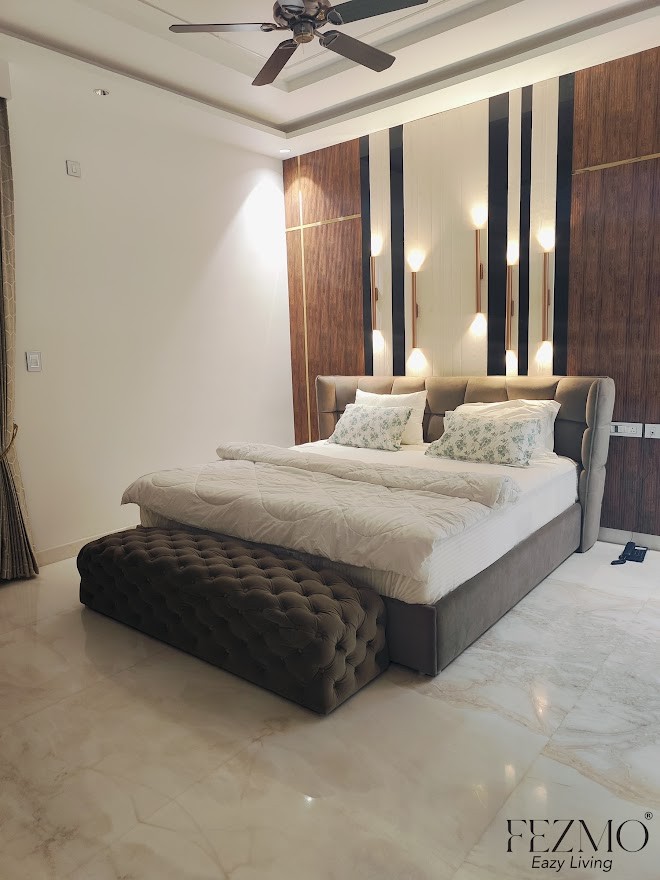
Every furniture showroom uses lighting to make products look more appealing than they might in a neutral environment. This is not deception. It is retail. But a buyer who understands this can use it as useful information rather than being misled by it.
What most buyers miss
Showroom lighting is typically warmer, softer, and more flattering than the daylight or cool overhead lighting in most Chennai homes. A fabric that looks rich and deep in showroom conditions may read differently in your living room. A wood finish that glows under spotlighting may appear flatter in natural light.
What this tells you about the showroom
A showroom that provides swatches, takes you to a brighter area of the floor to inspect a finish, or points out how a material will look under different lighting conditions is actively helping you make a better decision. A showroom that does none of these things is managing your perception rather than informing your choice.
What to do with this observation
Before committing, ask to see the fabric swatch in natural light near a window or entrance. If the showroom has no natural light, ask for a swatch to take home. Reputable Chennai furniture showrooms will accommodate this without hesitation.
How the Display Floor Is Arranged Reveals How the Shop Thinks About Buyers
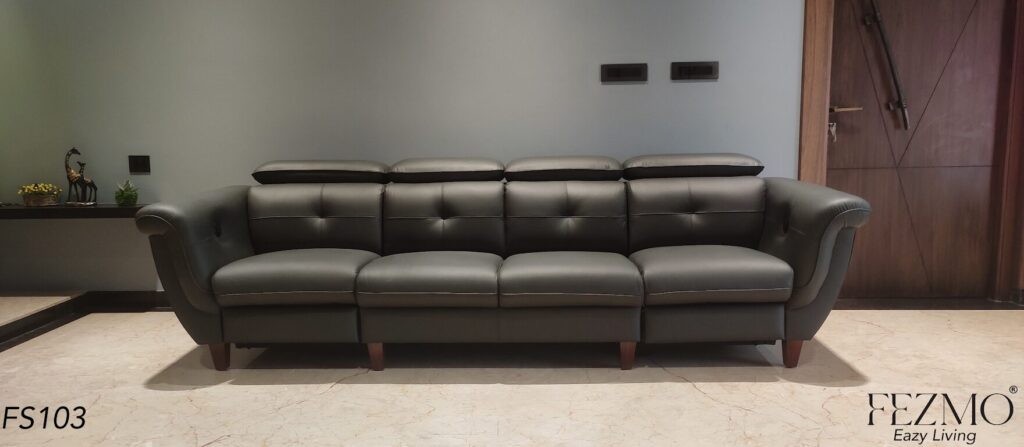
Showroom floor arrangement is a design decision, but it is also a strategic one. The way products are displayed tells you whether a shop is trying to help you imagine furniture in your home or simply trying to maximise visual impact on the floor.
Signs of a buyer-centric layout
- Furniture is arranged in room configurations rather than category rows, so you can see how pieces work together.
- There is enough space between display groupings to walk around pieces and inspect them from multiple angles.
- Price and material information is displayed clearly without requiring you to flag down a salesperson.
- There are varied configurations of the same product, different sizes, fabrics, and leg finishes, so you can see the range of options.
Signs of a conversion-focused layout
- Premium or high-margin products are placed at the entrance to anchor your price perception.
- Similar products are grouped far apart so you cannot easily compare them side by side.
- Information about materials or specifications is only available through a salesperson.
- The floor feels crowded, making it harder to assess individual pieces objectively.
Neither layout type makes a shop good or bad outright. But a showroom designed around the buyer’s decision process is usually backed by a team that thinks the same way about service.
Staff Behaviour Is the Most Reliable Signal in the Showroom
The way staff behave in a furniture store in Chennai is the single most reliable indicator of how the shop operates at every level, including delivery, after-sales support, and how disputes get handled. Most buyers do not pay attention to staff behaviour until something goes wrong. Paying attention before the sale is far more useful.
What good staff behaviour looks like
BehaviourWhat It SignalsGreets you without immediately pitchingConfidence. They know the products will sell themselves.Asks about your room before suggesting productsBuyer-first orientation. They are solving your problem.Gives specific answers to material questionsProduct knowledge. They actually know what they are selling.Acknowledges a limitation honestlyTrustworthiness. They value the relationship over the sale.Does not rush your decisionNo pressure culture. Usually reflects management values.Offers a follow-up rather than a closeThey expect to earn your trust, not extract your decision.
Red flags in staff behaviour
- Immediate upselling before understanding your requirements.
- Vague or defensive responses to specific questions about materials or warranty.
- Claims that a discount or offer expires today or this weekend.
- Discouraging you from visiting other showrooms before deciding.
- Becoming noticeably less attentive once you signal you are not buying today.
Staff behaviour reflects training and culture. A salesperson who behaves well under uncertainty, who says “I will find out” rather than guessing, and who respects your timeline without pressure, is usually working for a shop that treats its customers the same way after delivery.
The Back-End Details That Most Buyers Never See
What happens beyond the showroom floor, in the workshop, the warehouse, and the delivery process, determines your actual ownership experience. You cannot visit these directly, but you can ask about them, and the quality of the answers tells you what you need to know.
Questions that reveal back-end quality
- Where is the furniture manufactured or assembled? A shop with its own production facility has more control over quality than one that resells from multiple suppliers.
- How are pieces protected during delivery in Chennai traffic? Proper furniture transit requires blankets, corner guards, and careful loading. A shop that has thought through this has fewer damage claims.
- What is the installation process? Is there a dedicated team, or does the delivery driver also install?
- How do you handle a mismatch between what was shown and what was delivered? The answer to this question is the most important one you can ask.
Chennai delivery involves narrow staircases in older buildings, lift restrictions in newer ones, and unpredictable traffic across the city. A shop that has a clear protocol for each of these scenarios has learned from experience. A shop that improvises has not been through enough deliveries or has not learned from the ones that went wrong.
What Chennai’s Climate Demands from a Showroom’s Product Selection
A well-run furniture showroom in Chennai does not simply stock whatever is available from suppliers. It curates its range with an understanding of what works in Chennai’s specific conditions. This is a meaningful filter that eliminates a significant share of otherwise decent showrooms.
What Chennai conditions demand from furniture
- Wood must be properly seasoned to handle humidity variation between summer and monsoon months. Unseasoned timber warps and splits at the joints over one to two years.
- Upholstery fabric must balance breathability and durability for a hot climate. Heavy velvet that looks luxurious in a showroom becomes uncomfortable and difficult to maintain at home.
- Metal hardware in coastal or humid environments benefits from rust-resistant finishes. Standard painted hardware corrodes faster in Chennai than in drier cities.
- Finishes must be moisture resistant. Lacquer and polyurethane coatings that handle humidity well are a practical consideration, not just an aesthetic one.
A showroom that can discuss these factors without prompting has curated its range with Chennai buyers in mind. A showroom that stocks products optimised for other markets and markets them generically has not.
If you want to speak with a team that has thought through these details for Chennai specifically, contact us before your next showroom visit and we can walk you through what to look for and how to evaluate what you see.
Frequently Asked Questions
How long should I spend in a furniture showroom in Chennai before forming a judgement?
At least 30 to 45 minutes for a meaningful assessment. The first ten minutes are impressionistic. The next twenty, when you start asking questions and examining specific pieces, are where the useful information emerges. Do not form a final judgement on the first ten minutes alone.
Is a large showroom always better than a smaller one?
Not necessarily. Large showrooms have more product variety, which helps comparison. But smaller, specialist showrooms sometimes have deeper knowledge and stronger relationships with specific manufacturers. What matters more than size is whether the staff can answer specific questions and whether the products are appropriate for Chennai’s climate and apartment dimensions.
What does it mean if a showroom has very few negative reviews online?
Very few negative reviews can mean genuinely good service, or it can mean the shop has not been operating long enough to accumulate reviews. Check the volume of reviews alongside the rating. A shop with 200 reviews at 4.3 stars tells you more than one with 12 reviews at 5 stars.
Should I trust a furniture showroom that does not have its own website?
A limited online presence does not mean a poor product. Some excellent Chennai furniture retailers operate primarily through word of mouth and have minimal digital infrastructure. Ask for customer references and visit the showroom before forming a judgement based on web presence alone.
What is the most important single thing to check in a furniture showroom?
Staff behaviour under a difficult question. Ask about foam density, wood species, or warranty exclusions and watch how the team responds. Specific, honest answers signal competence and integrity. Vague, defensive, or deflected answers signal the opposite. This single test predicts the after-sales experience more reliably than anything else you can check in a showroom.
About the Author
Written by the Fezmo team, Chennai. We operate a furniture showroom in Anna Nagar and spend most of our working hours thinking about what it takes to earn and keep a buyer’s trust. The observations in this article come from years of working in this space and from listening carefully to what buyers tell us went wrong at other showrooms before they found us.