Furnishing a home in Chennai involves a trade-off that many buyers only recognise halfway through the process: flexibility versus permanence. Modular systems promise adaptability and clever use of space, while traditional pieces offer solidity and a sense of craft that has held its appeal for generations. Deciding between the two is easier once you understand how each behaves in a real Chennai home, with its humid climate, apartment layouts, and the way families here actually live. Walking into one of the best furniture stores in Chennai with a clear grasp of this difference saves a lot of second guessing later.
This guide compares modular and traditional furniture across the factors that matter most locally: space, climate, cost over time, maintenance, and resale. The goal is not to crown one winner for everyone, but to help you match the right approach to your home, your budget, and how long you plan to keep what you buy.
What Sets Modular and Traditional Furniture Apart
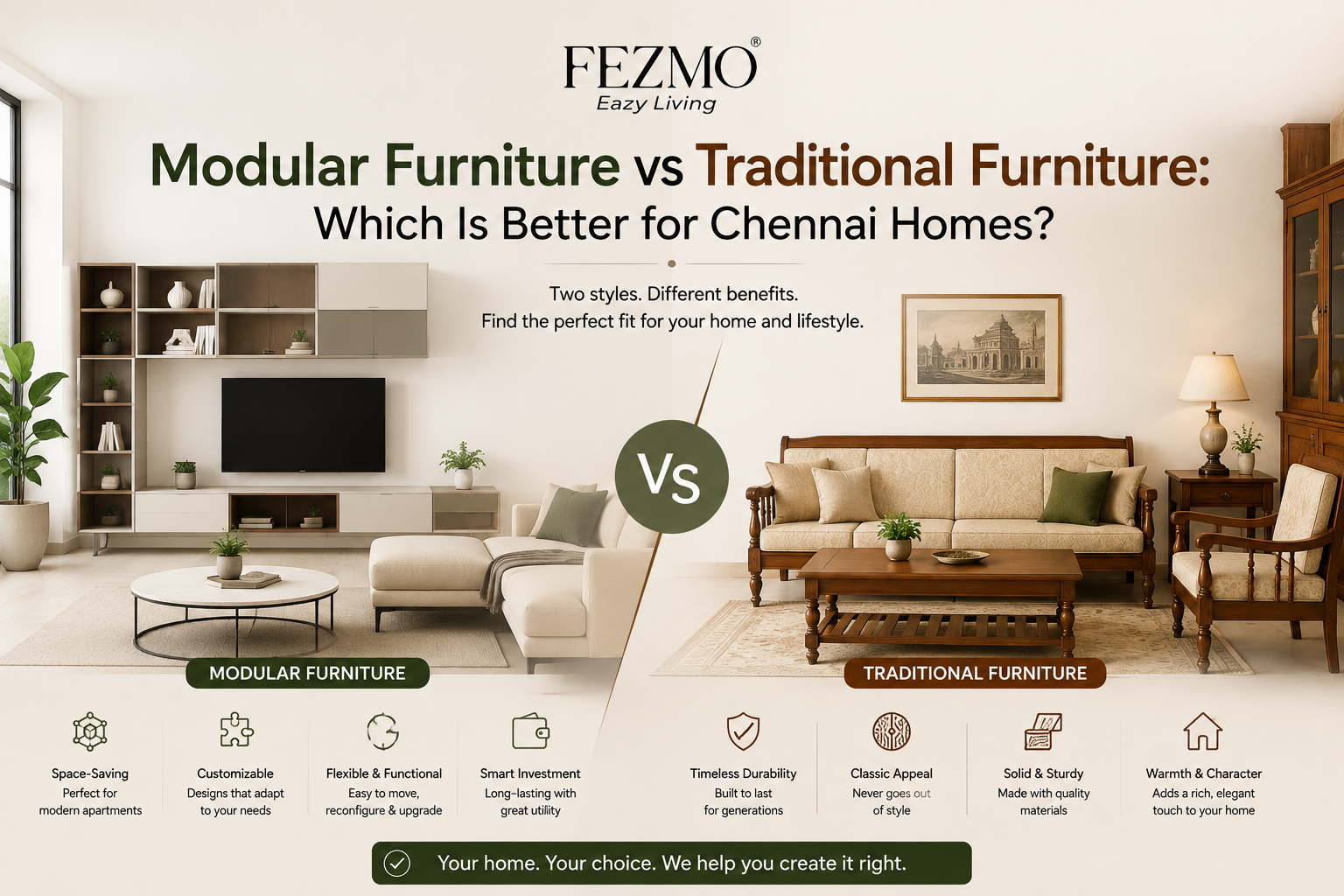
Modular furniture is built from standardised units that combine and reconfigure. A wardrobe becomes a set of interlocking cabinets, a sofa breaks into sections that rearrange, and a wall storage system grows as needs change. Traditional furniture, by contrast, is usually a single crafted piece built for a fixed purpose, such as a solid teak dining table or a carved bed frame meant to stay where it is placed.
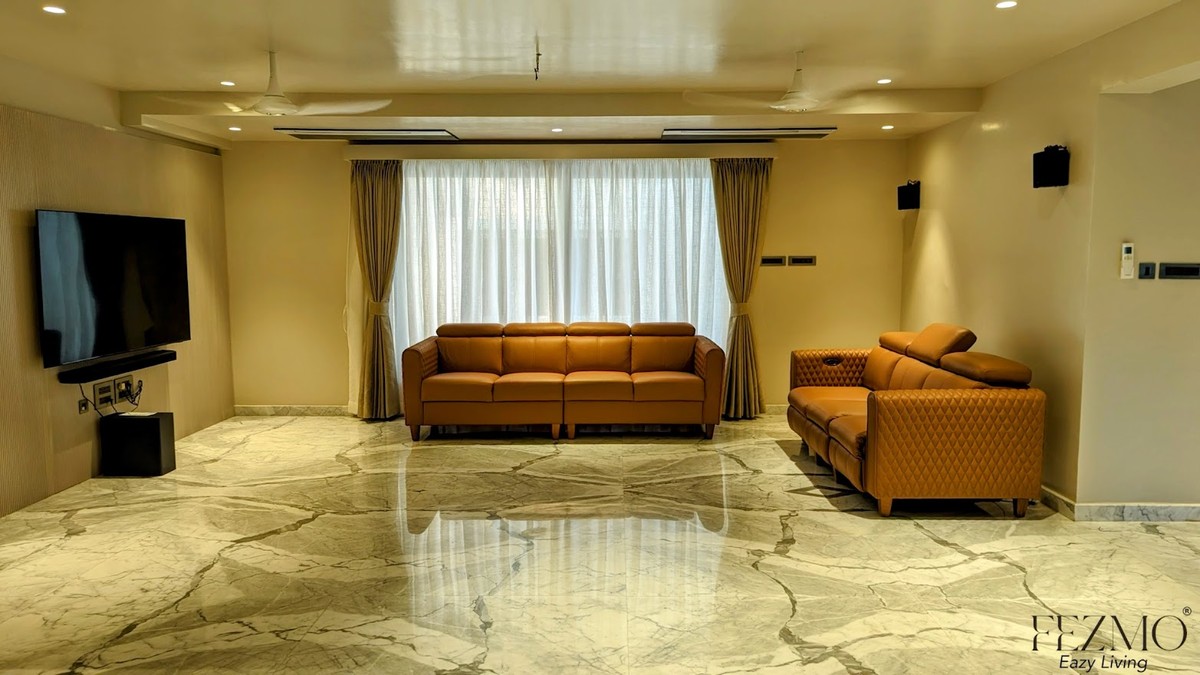
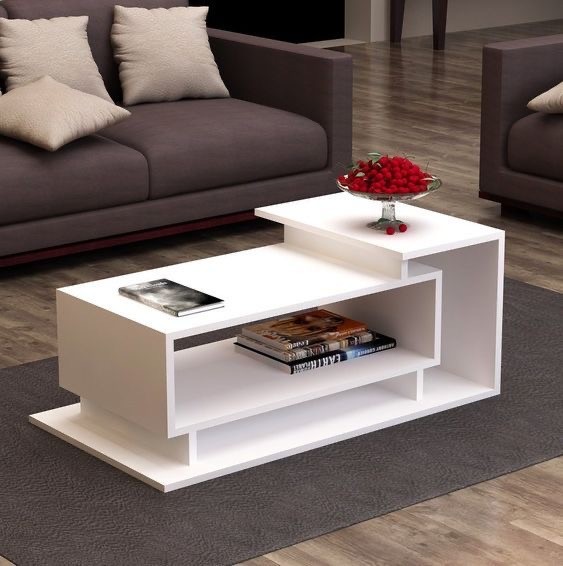
The core difference is philosophy. Modular design treats furniture as a flexible system that adapts to a changing life. Traditional design treats a piece as a lasting object, often passed down, valued precisely because it does not change. Neither view is wrong, but they suit different homes and different stages of life.
How This Plays Out in a Chennai Apartment
Most new housing in the city leans toward apartments where floor area is precious. Modular systems shine here because they use vertical space, fold away, and fit awkward corners that a fixed piece cannot. A family in a compact two-bedroom flat often gets more usable storage from a modular wardrobe than from a large traditional almirah that eats the same footprint. Independent houses and larger villas, where space is less tight, can carry the presence of substantial traditional pieces more comfortably.
Climate: The Chennai Factor Buyers Underestimate
Humidity and heat are constant here, and they treat materials differently. Solid hardwood, the backbone of traditional furniture, handles the local climate well when it is properly seasoned, though it can expand and contract slightly through the year. Modular units often use engineered boards with laminate or veneer surfaces. Good-quality engineered board with proper edge banding resists moisture well, but low-grade board with exposed edges can swell in a damp coastal environment.
This is why material quality matters more than the modular versus traditional label itself. A well-made modular system can outlast a poorly built solid wood piece, and vice versa. When you visit the Fezmo showroom, it is worth asking specifically how each option is treated for humidity, because that single answer tells you more about longevity than the style category ever will.
A Practical Comparison
Space Efficiency
- Modular Furniture: Highly space-efficient and ideal for compact apartments, making the most of available floor space.
- Traditional Furniture: Requires more room and is better suited to spacious homes.
Flexibility
- Modular Furniture: Can be rearranged, expanded, or reconfigured as your needs change.
- Traditional Furniture: Designed for a fixed purpose and layout, with little flexibility.
Longevity
- Modular Furniture: Offers good durability when made with high-quality engineered boards and finishes.
- Traditional Furniture: Extremely durable, especially when crafted from solid hardwood.
Repairs and Maintenance
- Modular Furniture: Damaged sections or individual modules can often be replaced without changing the entire unit.
- Traditional Furniture: Repairs usually involve servicing or refinishing the entire piece.
Resale and Legacy Value
- Modular Furniture: Generally has lower resale value and is purchased mainly for convenience.
- Traditional Furniture: Holds its value better and can often be restored, resold, or passed down through generations.
Best Suited For
- Modular Furniture: Ideal for apartments, compact homes, and growing families who need adaptable solutions.
- Traditional Furniture: Best for villas and long-term homes where durability, craftsmanship, and timeless appeal are priorities.
Cost Over Time, Not Just the Price Tag
Modular systems often carry a lower entry price and let you buy in stages, adding units as your budget allows. That staged approach suits younger households setting up a first home. Traditional pieces usually cost more upfront because of the material and craft involved, but a well-built solid wood item can serve for decades and even gain sentimental and resale value.
The smarter way to compare is total cost across the years you will own the piece. A cheap modular unit that needs replacing in five years may cost more over fifteen years than one quality traditional piece that never needs replacing. Equally, a modular system that adapts through three home moves and raising two children may prove the better spend for a family whose needs keep shifting.
Maintenance and Everyday Living
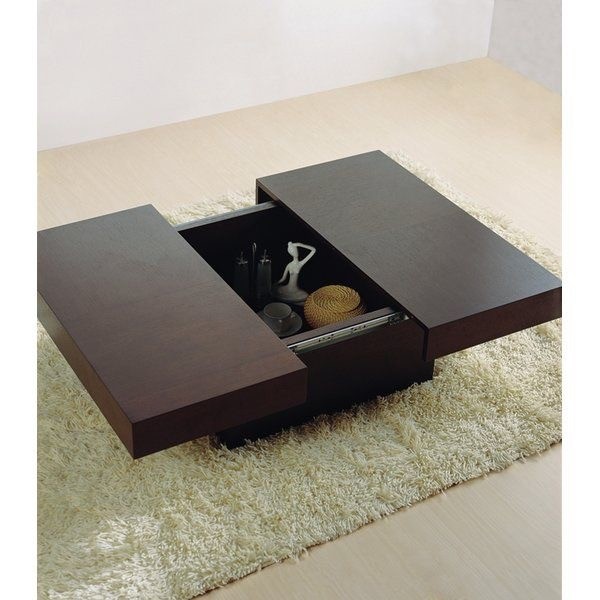
Modular surfaces such as laminate wipe clean easily and resist stains, which suits busy homes with children. Solid wood needs occasional polishing and a little more care, but minor scratches often add character rather than ruin the look, and deep damage can be sanded and refinished. Think honestly about how much maintenance you are willing to do, because that habit, more than the showroom finish, decides how your furniture ages.
Style and the Way Chennai Homes Are Changing
Local interiors increasingly blend both worlds. A family might choose sleek modular storage and a modular kitchen for function, then anchor the living and dining areas with one or two statement traditional pieces that carry warmth and heritage. This mix is now common in the city and often the most satisfying answer, because it uses each approach for what it does best rather than forcing a single choice across the whole home.
Contemporary buyers also care about coherence. Whichever direction you lean, the pieces should speak to each other in tone and proportion. A curated store helps here, because staff can guide you toward combinations that hold together instead of leaving you to gamble on individual purchases that clash once they are home.
Resale, Longevity, and the Long View
Furniture is one of the few household purchases people expect to keep for many years, so the exit matters as much as the entry. Traditional solid wood pieces tend to hold value because the material itself remains desirable, and a well-cared-for teak or rosewood item can be sold, restored, or handed down without losing its appeal. This is part of why some families treat a single quality piece as a small heirloom rather than a disposable object.
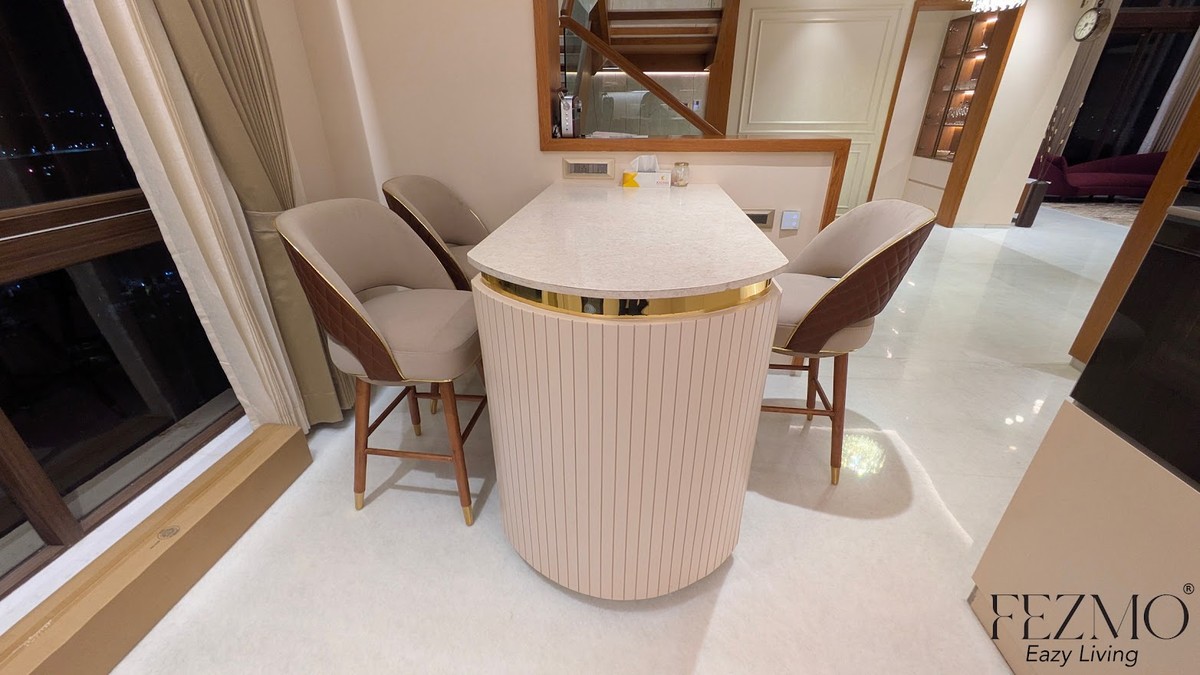
Modular furniture follows a different logic. Its value lies in use and adaptability rather than resale, and second-hand demand for used modular units is usually modest. That is not a flaw, simply a different bargain: you trade long term residual value for flexibility and a lower starting cost. Knowing which of these two priorities matters more to you makes the decision far clearer than any showroom sales pitch.
Matching the Choice to Your Life Stage
Life stage often settles the question. A newly married couple or a young family setting up a first apartment usually benefits from modular systems that grow and rearrange as circumstances shift. An established household moving into a long-term home, with the space and the budget for permanence, is well placed to invest in traditional craft. Thinking about where you will be in ten years, not just today, keeps you from buying furniture that suits only your current moment.
So, Which Is Better for Your Home?
If you live in a compact apartment, expect your needs to change, or want to furnish in stages, modular furniture usually makes more sense. If you own a larger, long-term home and value craft, permanence, and pieces that may outlive the purchase, traditional furniture rewards the investment. Most Chennai families land somewhere in between, and that blended approach is entirely valid.
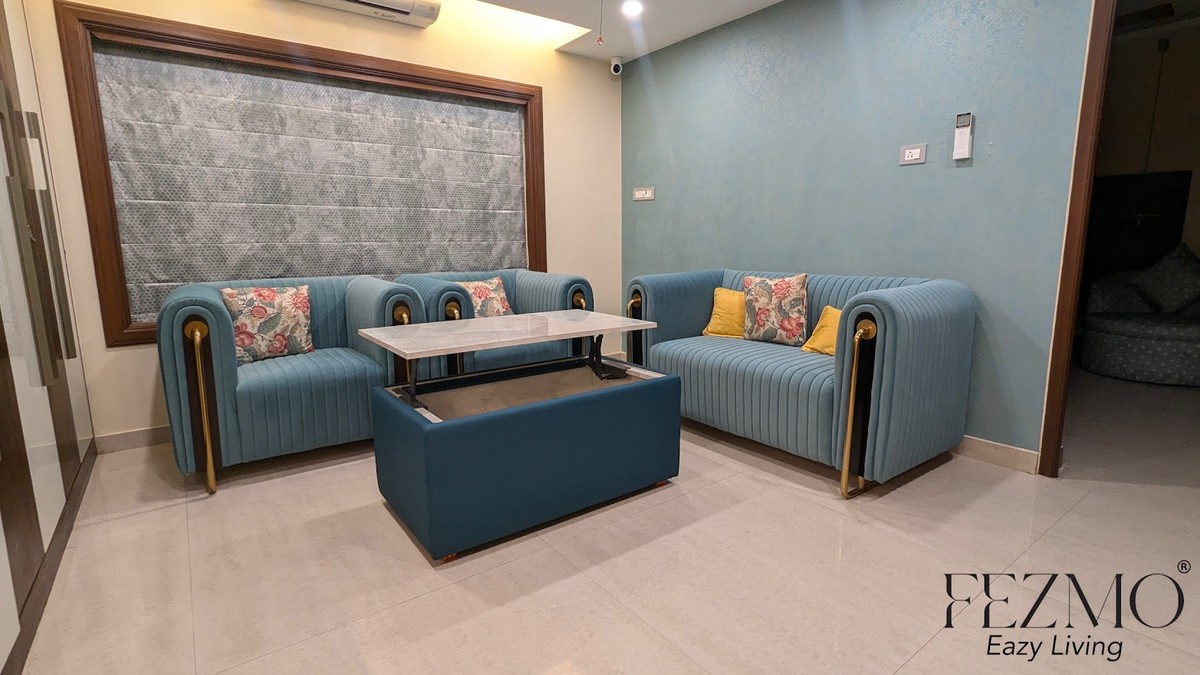
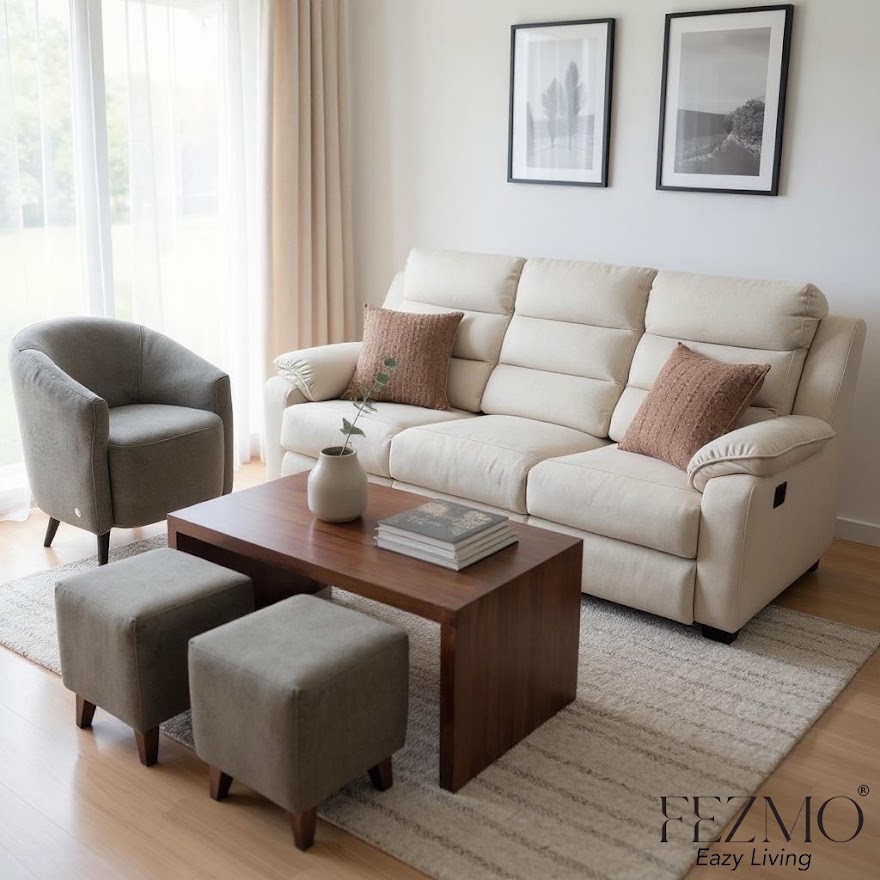
The right decision depends on your space, your timeline, and how you actually live, which is why seeing both side by side matters more than reading about them. If you would like tailored guidance for your specific home, reach out to the Fezmo team to talk through your layout, budget, and the mix that will serve you best.
Frequently Asked Questions
Is modular furniture durable enough for Chennai's humid climate?
Yes, provided the engineered board is good quality with sealed edges and moisture-resistant treatment. Low-grade board with exposed edges can swell in damp conditions, so material grade matters more than the modular label.
Does traditional solid wood furniture justify its higher price?
For long-term homes, often yes. Quality hardwood can serve for decades, be refinished when worn, and retain resale or sentimental value, which spreads the higher upfront cost across many years of use.
Can I mix modular and traditional pieces in one home?
Absolutely, and many Chennai homes do. Using modular systems for storage and traditional pieces as focal points in living and dining areas is a popular and practical combination that balances function with character.
Which option is better for a small apartment?
Modular furniture generally suits small apartments better because it uses vertical and awkward spaces efficiently and can be reconfigured as your needs evolve, giving more usable storage within a tight footprint.